
By Dr. Gavin McAuley | EMPOWERVIDA
THE SHORT ANSWER
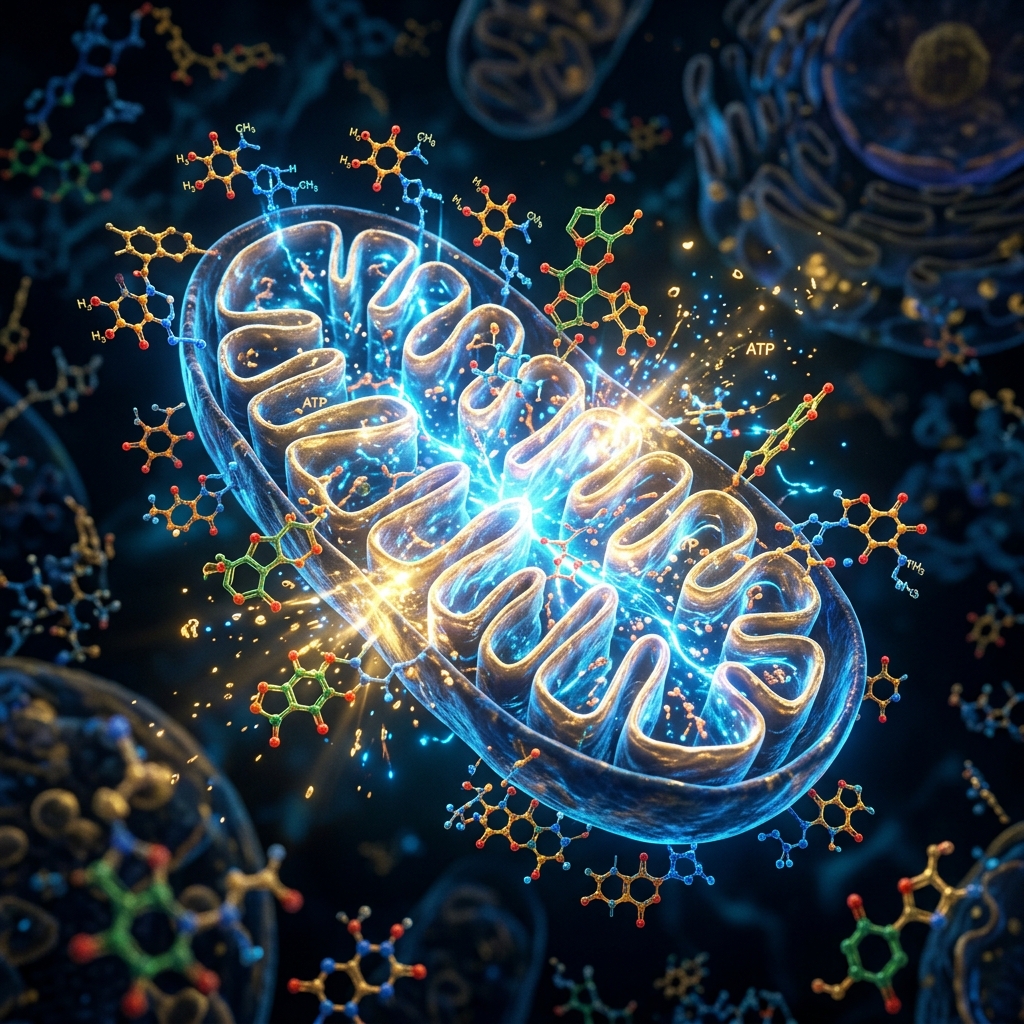
Yes, and this is arguably the gold standard mitochondrial support combination. CoQ10 protects and optimises existing mitochondria. PQQ triggers the creation of new mitochondria (mitochondrial biogenesis). Together, they address both maintenance and expansion of your cellular power plants.
Why This Combination Works
Mitochondrial dysfunction is not just about damaged mitochondria. It is also about insufficient numbers of mitochondria. You can have perfectly functional mitochondria but still experience fatigue if you simply do not have enough of them.
CoQ10's role: Coenzyme Q10 (ubiquinone) is a critical electron carrier in the mitochondrial electron transport chain. It shuttles electrons from Complex I and Complex II to Complex III, enabling ATP production. CoQ10 also functions as an antioxidant, protecting mitochondrial membranes from oxidative damage. Levels decline 50% by age 40.
PQQ's role: Pyrroloquinoline quinone (PQQ) activates PGC-1α (peroxisome proliferator activated receptor gamma coactivator 1 alpha), the master regulator of mitochondrial biogenesis. PGC-1α signals the nucleus to produce more mitochondrial proteins and triggers the replication of mitochondrial DNA. PQQ = more mitochondria. CoQ10 = better functioning mitochondria.
The Clinical Why
Think of CoQ10 as engine oil (keeps existing engines running smoothly) and PQQ as a factory expansion signal (builds more engines). You want both. Failing to combine them is like maintaining a single old engine when you could be building a fleet of new, efficient ones.
Dosing and Timing
CoQ10: 100-200mg daily (ubiquinol form preferred for better bioavailability, especially in patients over 40). Take with fats for absorption. If you are on statins, increase dose to 200-300mg (statins deplete CoQ10).
PQQ: 10-20mg daily. PQQ is potent at low doses. Higher doses (>40mg) do not provide additional benefit.
Can you take them at the same time? Yes. Both are fat soluble. Educational frameworks often suggest taking both with breakfast (alongside healthy fats like eggs, avocado, or nut butter).
The Physicians Note
This combination is the cornerstone of my mitochondrial support protocol for patients over 35. The clinical benefits I observe include:
- Improved exercise capacity (increased VO2 max, reduced perceived exertion)
- Cognitive clarity (particularly in the afternoon, when mitochondrial function typically wanes)
- Cardiovascular support (CoQ10 is concentrated in cardiac muscle, which has the highest mitochondrial density of any tissue)
One caveat: PQQ's effects on mitochondrial biogenesis take weeks to manifest. This is not an "instant energy" supplement. It is a structural renovation of your cellular power grid. Expect noticeable improvements at 4-6 weeks.
Safety Considerations
CoQ10: Extremely safe. Mild gastrointestinal upset at doses >300mg. If you take warfarin, monitor INR closely (CoQ10 has structural similarity to vitamin K and may interfere with anticoagulation).
PQQ: Well tolerated. No serious adverse effects reported in human trials at doses up to 60mg/day.
Interactions: No known pharmacological interactions between CoQ10 and PQQ. Both are safe to combine with other mitochondrial supports (e.g. NAD+ precursors, creatine).
Medical Disclaimer
This information is for educational purposes and does not constitute medical advice. Consult your physician before starting any new supplement regimen, particularly if you have cardiovascular disease or take prescription medications.