Stop Biohacking. Start Building.
The most powerful changes are often the least glamorous: sleep, movement, nutrition and attention to established risk factors. New discoveries matter too — but only when we distinguish a compelling mechanism from a demonstrated human benefit.
THE FOUNDATION
(The Non-Negotiables)
The Rule: Consistent routines can support sleep and energy. Start with realistic habits that fit your life.
The Approach:
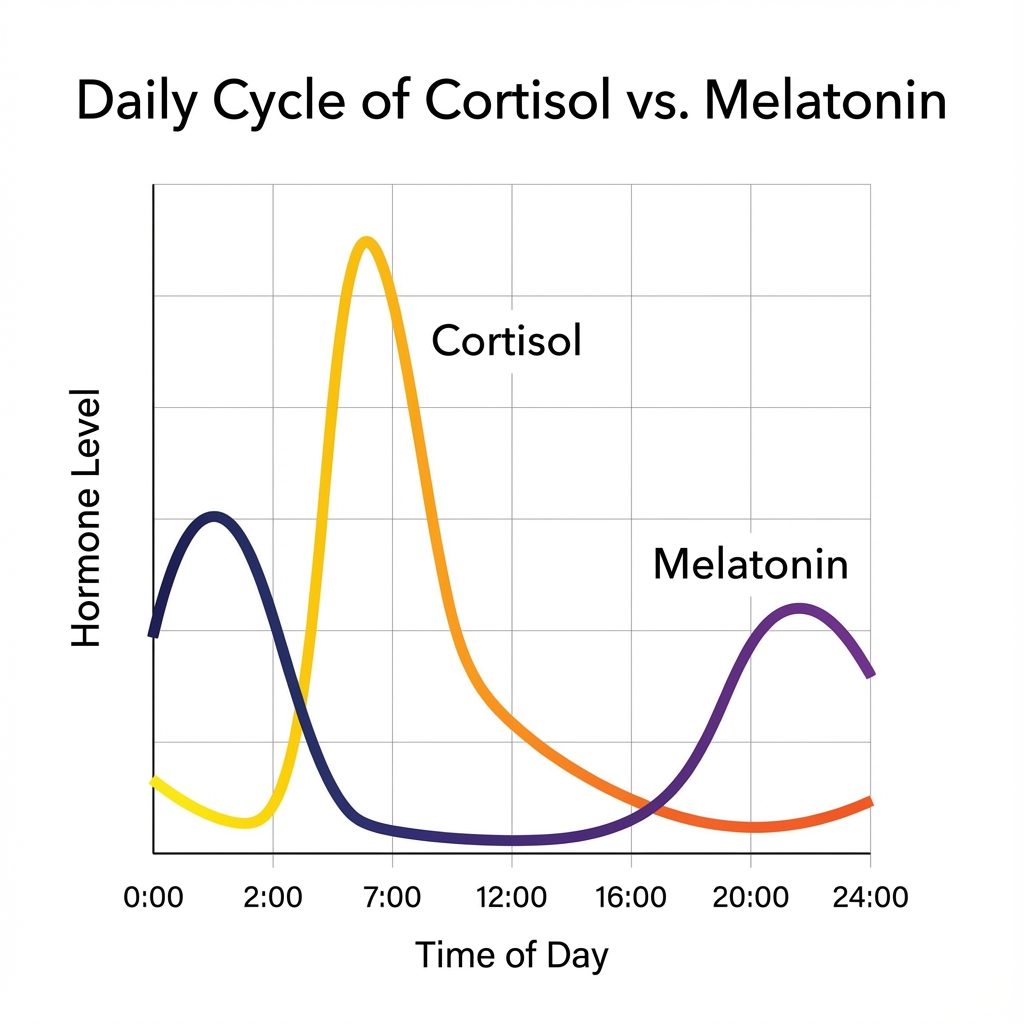
- 1. Morning daylight: Getting outdoor light after waking can help reinforce circadian timing. There is no universal ten-minute prescription; timing and exposure depend on conditions.
- 2. Sleep: Most adults benefit from around 7–9 hours, with individual variation. Sleep supports memory, mood and metabolic health; brain-clearance research is promising but does not prove dementia prevention.
- 3. Regular movement: Aim towards at least 150 minutes of moderate aerobic activity weekly, alongside strength training when appropriate. A conversational pace is a useful starting point.
THE FUEL
(Metabolic Control)
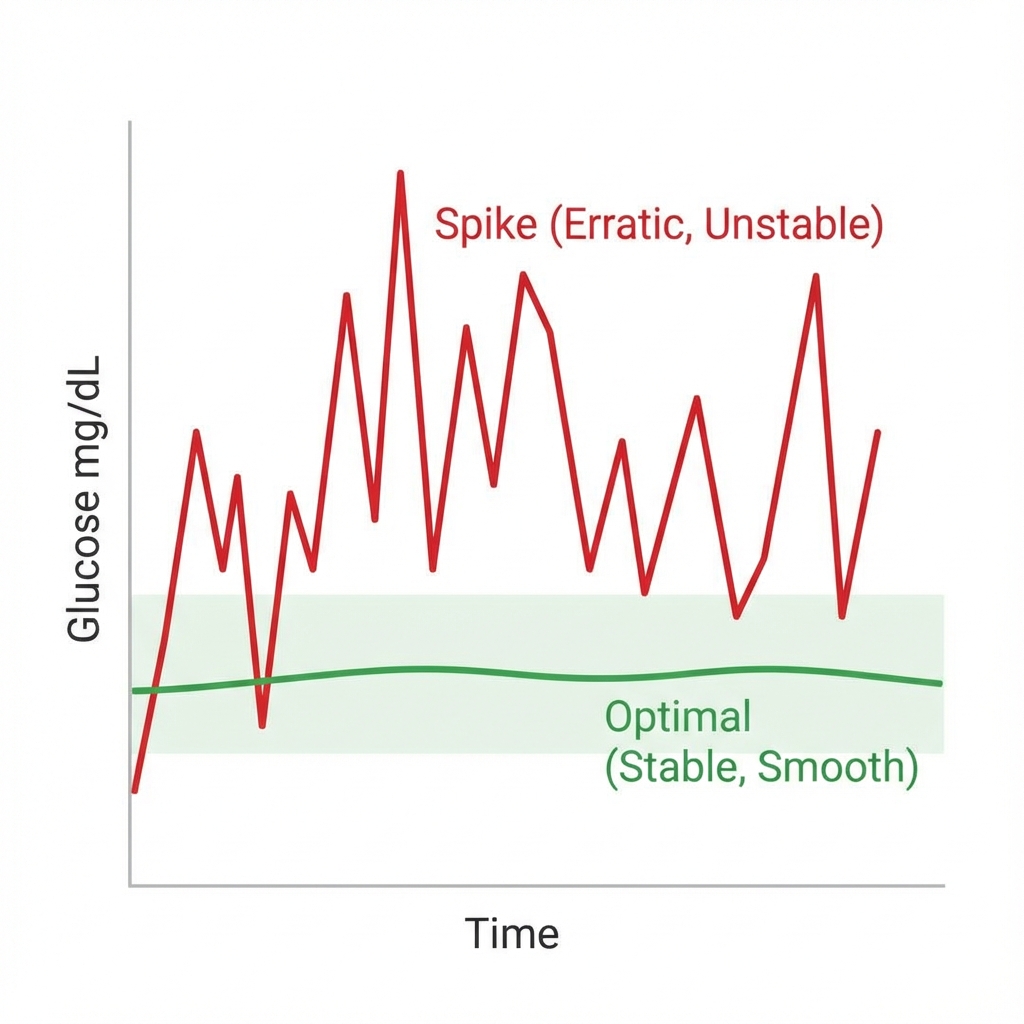
The Rule: Support metabolic health rather than trying to eliminate every normal rise in glucose.
The Approach:
- 1. Metabolic health: Prioritise dietary quality, physical activity and assessment of diabetes risk when appropriate. Glucose naturally rises after meals; not every rise is harmful.
- 2. Protein — the building blocks of health: Protein supplies amino acids for muscle maintenance, tissue repair, enzymes, immune function and many hormones and neurotransmitters. Preserving muscle supports metabolic health and independence as we age. Needs vary with age, activity and medical conditions.
- 3. Overnight fasting — an interesting physiological response: A consistent overnight break from eating can suit some people. Longer fasts can increase growth hormone secretion, but this does not automatically mean more muscle growth or longer life. There is insufficient evidence that a routine 12-hour fast meaningfully raises growth hormone or extends human healthspan. Fasting is not appropriate for everyone.
THE OPTIMIZATION
(The Gap Fillers)
The Rule: Consider additional interventions only when there is a clear clinical reason or a realistic understanding of the evidence and uncertainty.
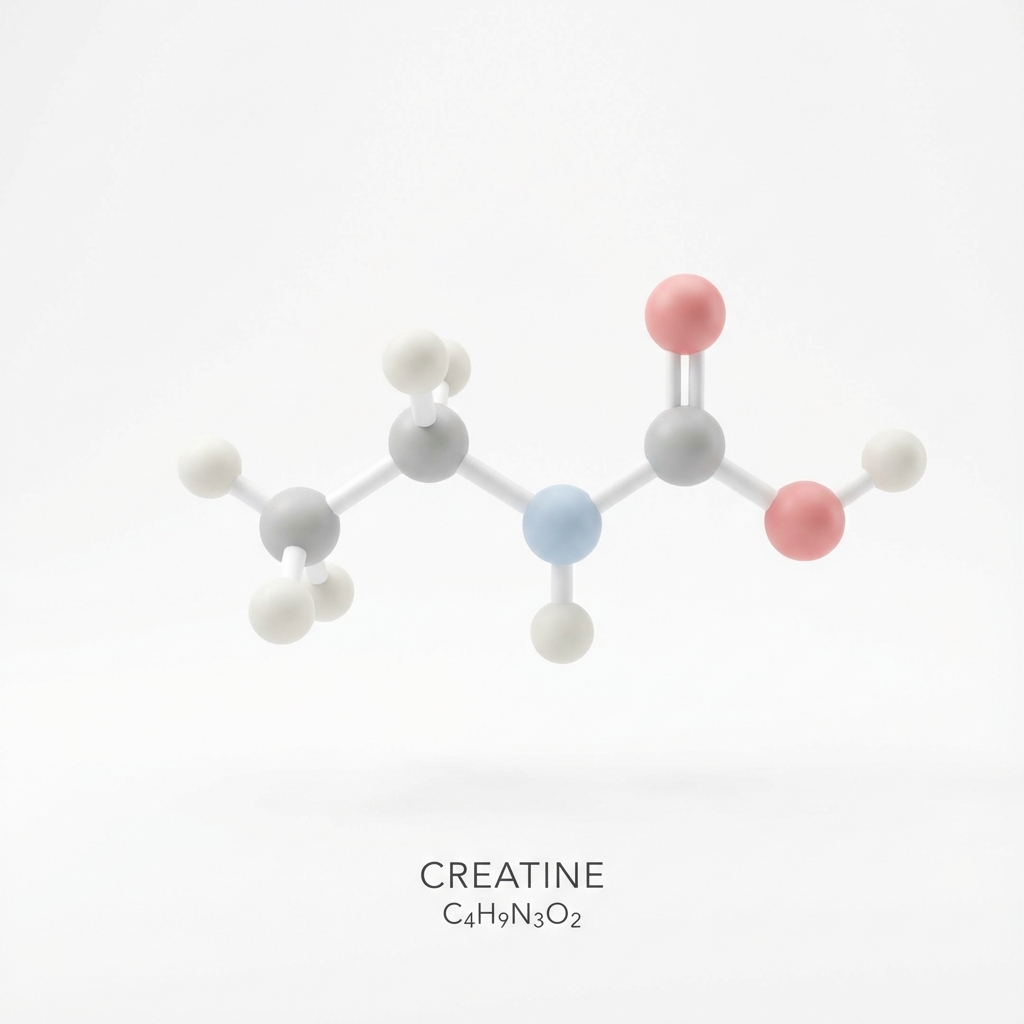
Option A: Creatine Monohydrate
Creatine helps regenerate ATP through the phosphocreatine system. It has established benefits for some exercise outcomes; research into cognition is intriguing but does not yet show that routine supplementation prevents cognitive decline or neurodegeneration.
Option B: Magnesium Bisglycinate
Magnesium is essential for normal neuromuscular function. Supplementation may be useful when intake is inadequate or deficiency is present, but magnesium bisglycinate has not been established as a reliable way to increase deep sleep or prevent neurodegeneration.
A Day In The Protocol
Build the Foundations. Stay Curious.
The science of longevity is evolving. Subscribe for clear, evidence-led explanations of what is established, what is promising, and what still needs testing.
We respect your privacy. Unsubscribe at any time.