
By Dr. Gavin McAuley | EMPOWERVIDA
FEATURED: SLEEP & RECOVERY
An examination of how chronic stress, alcohol consumption, and undiagnosed sleep apnea interact to create a devastating metabolic vicious cycle, and the clinical approach to reversing it.
In clinical practice, metabolic decline rarely happens overnight. It often begins insidiously, driven by a combination of lifestyle factors that slowly degrade physiological resilience. Two common drivers frequently initiate this cascade: dietary shifts and chronic stress.
The Dietary and Stress Traps
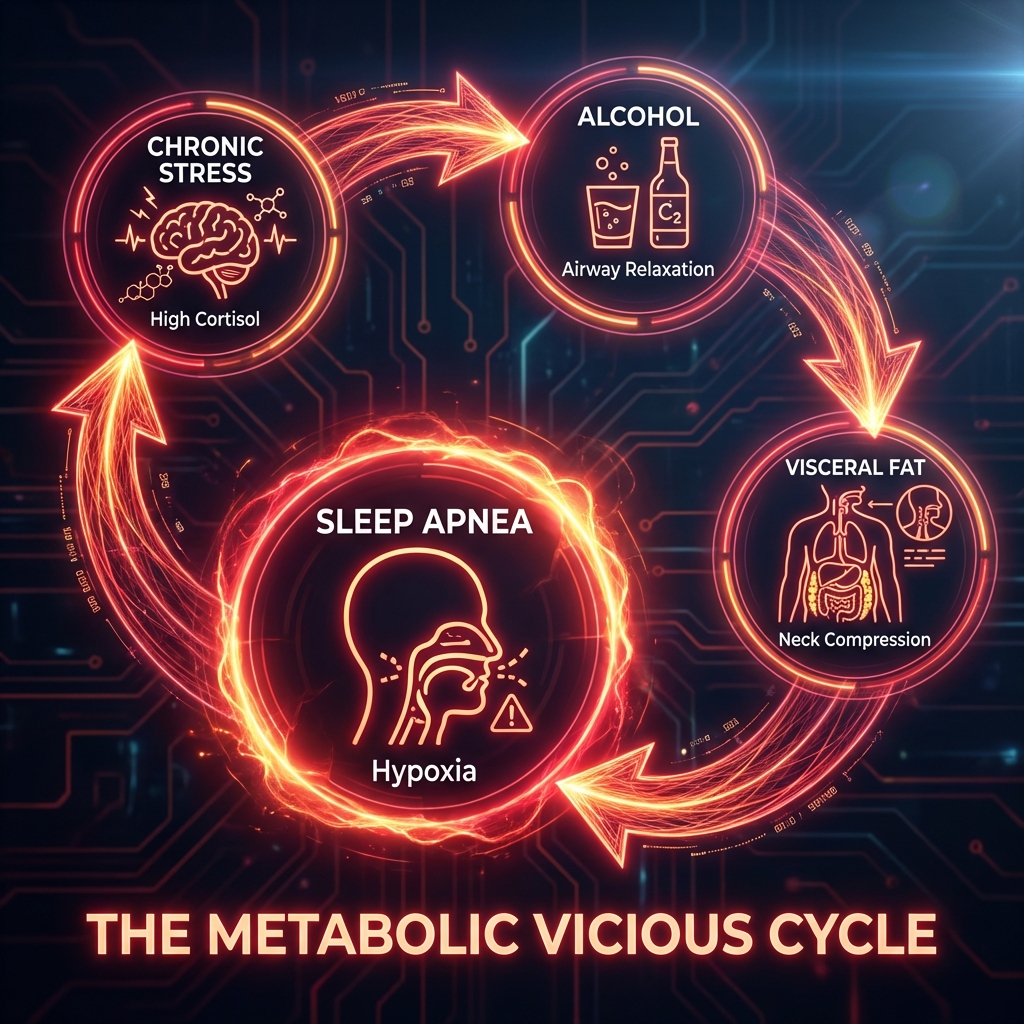
The first driver is often an increase in caloric intake, particularly of processed carbohydrates, leading to gradual adipose tissue accumulation. This is frequently compounded by a high-stress occupational environment. Prolonged periods of elevated cortisol—such as those experienced during shift work or chronic psychological stress—promote visceral fat storage and systemic inflammation.
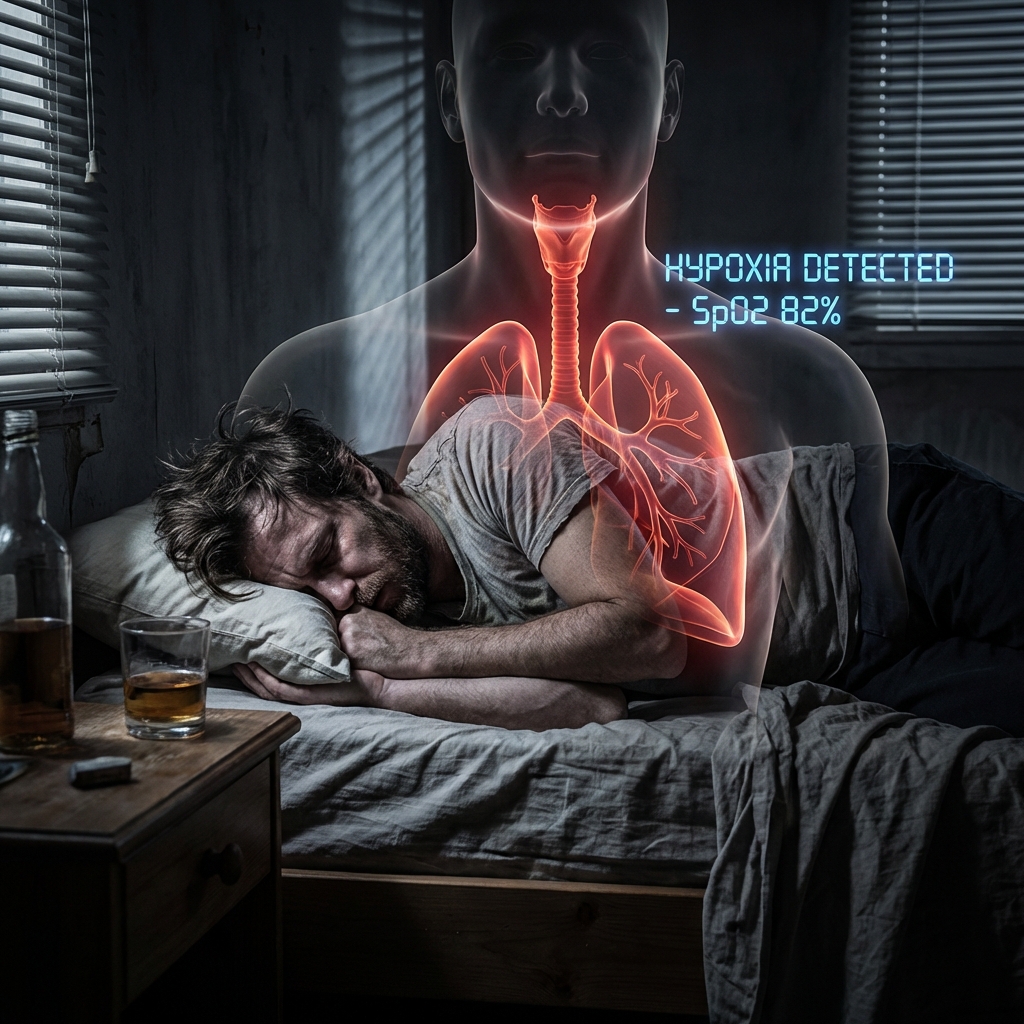
To manage this chronic hyper-arousal, patients frequently turn to alcohol as a central nervous system depressant. While alcohol provides a temporary subjective "release," it severely disrupts sleep architecture and relaxes the pharyngeal musculature, exacerbating airway collapse during sleep.
Together, these factors create a Perfect Physiological Storm for the development of Obstructive Sleep Apnea (OSA).
The Science: It wasn't "Laziness," It was Hypoxia
Patients often blame a lack of willpower for their inability to lose weight or regain energy, engaging in cycles of severe caloric restriction. However, the foundational issue is often hypoxia, not a lack of discipline.
In a landmark review published in Obesity Reviews, researchers tackled the "Chicken or the Egg" question: Does obesity cause sleep apnea, or does sleep apnea cause obesity?
The answer was terrifyingly clear: It is a bidirectional vicious cycle.
The study highlighted that Intermittent Hypoxia (low oxygen at night) triggers a cascade of hormonal disasters. When your airway collapses:
- Cortisol Spikes: Your body panics, releasing stress hormones that specifically store fat in the visceral area (belly and neck).
- Insulin Fails: Sleep fragmentation makes your cells resistant to insulin, meaning you can't burn fat for fuel.
- Leptin Drops: Your "satiety" hormone vanishes, making you crave high-sugar foods the next day.
Many individuals eventually realize they aren't just "tired"—they are metabolically compromised. Excess weight can mechanically narrow the airway, ruining sleep architecture, which in turn alters hormonal balance, creating a vicious cycle of fatigue and further weight gain.
The Clinical Reality of Untreated Apnea
Patients with untreated sleep apnea are often caught in a cycle of fatigue and ineffective weight loss attempts. The clinical consequences of ignoring this cycle extend far beyond lethargy.
Chronic, uncorrected Sleep Apnea places immense strain on the cardiovascular system. It is a primary driver of Pulmonary Hypertension—high blood pressure in the arteries of the lungs—and significantly increases the risk of stroke and myocardial infarction.
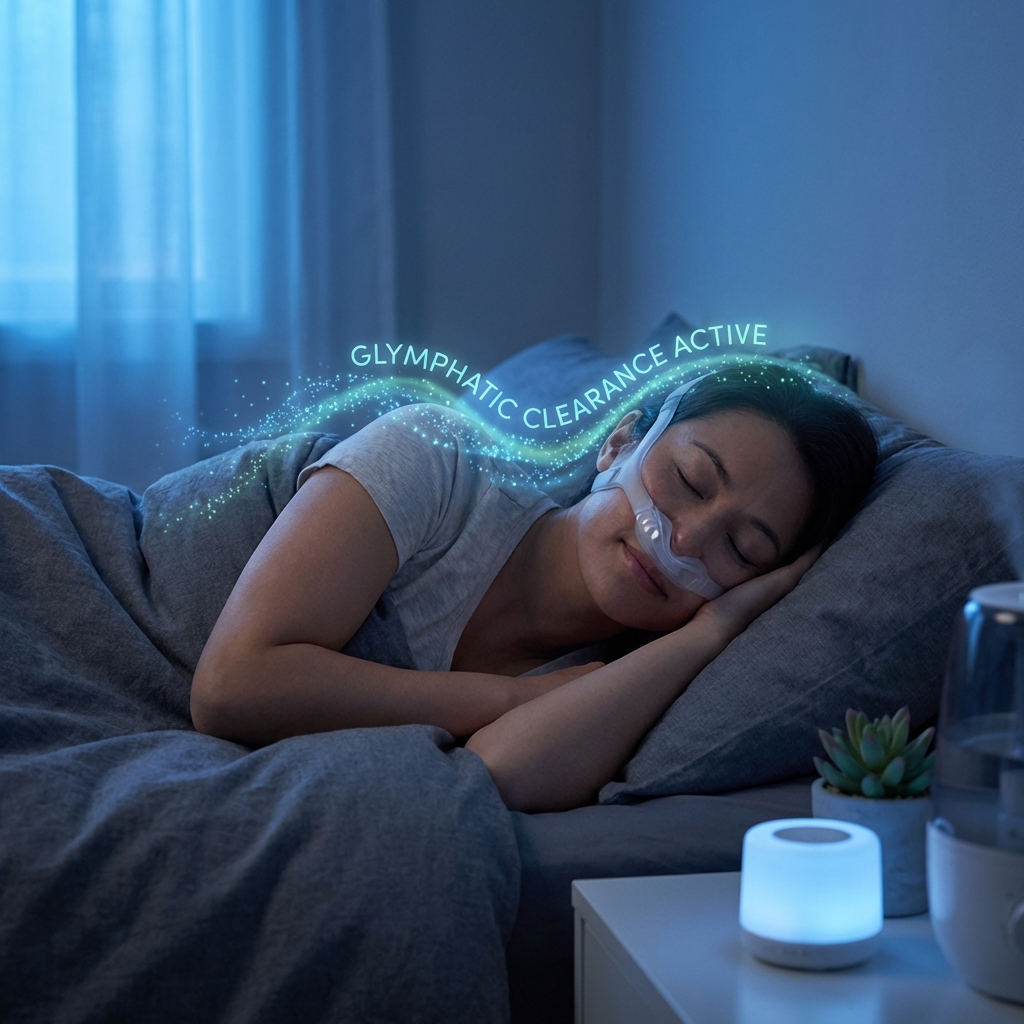
Furthermore, apnea is not merely "heavy snoring"; it is repeated, intermittent suffocation. This prevents the brain from entering deep sleep stages necessary for the Glymphatic System to function. Without this nightly clearance, neurotoxic proteins like amyloid-beta accumulate, accelerating neurodegeneration.
The Educational Protocol for Recovery
It is biologically impossible to "diet" your way out of a mechanical breathing problem. The physiological foundation must be secured first. For patients experiencing chronic grogginess, snoring, and intractable weight gain, the clinical approach involves:
1. Don't Guess, Test
You don't need a hospital bed to find out. Technology has advanced. Get a Home Sleep Study. It's the highest ROI investment you can make for your longevity.
2. Embrace the Therapy
If you need CPAP, use it. Don't view it as a life sentence; view it as a bridge. It gives you the energy to exercise, balances your hunger hormones, and allows you to lose the weight so you might eventually not need it.
3. Break the Cycle
Once the sleep is fixed, the cortisol drops, the insulin sensitises, and the weight finally responds to your hard work.
CPAP therapy should be viewed as protective armor for the brain and cardiovascular system, not a crutch.
Sleep isn't a luxury. It is the architect of your reality.
Don't let the "silent suffocation" steal your years.
Clinical Addendum: Systemic Inflammation & Longevity
A critical component of this physiological mechanism is the role of systemic inflammation. In acute scenarios—such as a sprained ankle or a viral infection—inflammation is a life-saving biological response. Your immune system deploys white blood cells and cytokines to the site of injury to isolate the damage and initiate repair. Once the threat is neutralized, the inflammation subsides.
However, the modern lifestyle has hijacked this system. Due to diets high in ultra-processed seed oils, chronic psychological stress, sleep deprivation, and environmental toxins, our immune systems are locked in a state of perpetual high-alert. This is known as chronic, low-grade systemic inflammation.
Unlike acute inflammation, this chronic state is silent and destructive. It doesn't cause a fever or a swollen joint; instead, it slowly degrades your tissue architecture over decades. Circulating inflammatory cytokines like IL-6 and TNF-alpha physically damage the endothelial lining of your blood vessels, leading to arterial plaque formation. They cross the blood-brain barrier, triggering neuro-inflammation that manifests as severe brain fog and cognitive decline. They even bind to insulin receptors, causing insulin resistance and pushing your body toward metabolic syndrome.
To achieve true longevity, you must aggressively extinguish this slow-burning fire. This requires a comprehensive approach to "Inflammaging." It means aggressively managing your blood glucose levels, optimizing your circadian rhythm to ensure deep, restorative sleep, and utilizing potent natural anti-inflammatories like high-dose EPA/DHA Omega-3s and highly bioavailable Curcumin extracts to interrupt the inflammatory cascades at the molecular level. Healthspan is ultimately dictated by how well you can control inflammation.
Clinical Addendum
This content is for educational and informational purposes only. It is not intended as medical advice and should not replace consultation with a qualified healthcare professional. Always consult your physician before starting any new supplement, diet, or exercise programme.