
By Dr. Gavin McAuley | EMPOWERVIDA
TL;DR
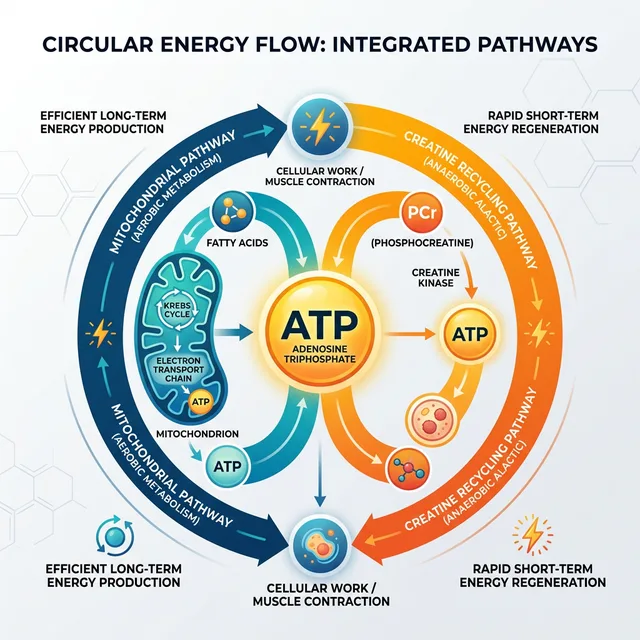
Yes, not only can you take Creatine and NAD+ together, but they are highly synergistic. While Creatine focuses on rapid ATP recycling in the cytoplasm, NAD+ powers the long-term ATP production within the mitochondria. Combining them creates a dual-pathway energy strategy that supports both physical power and cognitive longevity. Just heed the warning: Timing is everything.
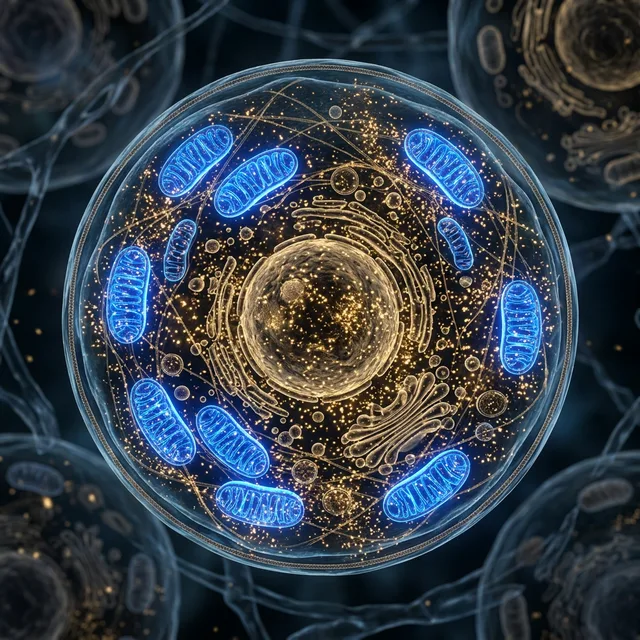
The Short Answer: The Power Plant and the Battery
Think of your cellular energy as a city’s power grid. NAD+ is the Power Plant—it generates the bulk of the electricity (ATP) continuously. Creatine is the Battery Backup—it provides an instantaneous surge of power the moment the grid is stressed.
In clinical practice, patients often focus on one energy pathway or the other. However, for comprehensive metabolic optimization, both sustained mitochondrial output and rapid-response recycling are necessary. Stacking these interventions is not merely safe; it is biologically logical.
Why This Combination Works: The Biochemistry
Your mitochondria are engines, but even the best engines need a recycling system to maintain power without stalling.
NAD+’s Role: The Electron Shuttle
NAD+ (Nicotinamide Adenine Dinucleotide) is a coenzyme required for the Electron Transport Chain (ETC). It accepts electrons from NADH and shuttles them through the mitochondrial complexes to drive the synthesis of ATP.
Without adequate NAD+, your mitochondria cannot produce energy efficiently, regardless of how much fuel (glucose or fat) you consume. It is the "rate-limiting" factor of your metabolism.
Creatine’s Role: The Instant Recycler
Creatine exists as Phosphocreatine in your muscles and brain. When you do work—whether lifting a weight or thinking through a complex diagnosis—your body breaks down ATP into ADP (Adenosine Diphosphate). Creatine "donates" its phosphate group to turn that ADP back into ATP instantly.
This prevents the "energetic lag" that occurs when the mitochondria have to ramp up production from scratch.
The Clinical Importance of Timing
While this combination offers potent synergistic benefits, proper timing is non-negotiable. NAD+ precursors (NMN/NR) should generally be taken early in the day.
Patients who consume NAD+ precursors in the late afternoon or evening frequently report profound sleep disturbances. Because NAD+ stimulates mitochondrial energy production without acting as a central nervous stimulant, it creates a state of deep, metabolic wakefulness that can prevent the onset of sleep.
Endogenous NAD+ levels naturally peak in the morning alongside cortisol, aligning with the body's circadian rhythm. Consuming a precursor late in the day sends an inappropriate metabolic signal to the body's master clock, disrupting SIRT1-mediated clock genes and throwing sleep architecture into chaos.
The Clinical Why: Who Is This For?
This bioenergetic combination is often a core consideration for adults over the age of 40.
- Natural Decline: Both NAD+ and Creatine levels begin to decline as we age, leading to "age-related fatigue."
- Neuro-Protection: Creatine supports ATP recycling in the neurons of the prefrontal cortex (executive function), while NAD+ supports brain-wide mitochondrial health.
- Metabolic Resilience: This stack helps maintain insulin sensitivity and muscle mass—the two greatest markers for a long healthspan.
The Educational Protocol
To mitigate potential sleep disturbances while maximizing bioenergetic synergy, clinical dosing typically follows this structure:
1. The Morning Administration
- NAD+ Precursor (NMN or NR): 300–500 mg daily, taken early in the morning to align with the natural circadian peak.
- Creatine Monohydrate: 5g daily. This can be co-administered with the NAD+ precursor alongside a first meal. There are no known pharmacological interactions.
2. The Optional "Push" (Post-Exercise)
If you had an intense workout, you can move your Creatine dose to post-exercise to aid in muscle saturation, but the NAD+ should always remain a morning-only supplement.
Safety & Considerations
As always, we must act with clinical diligence:
- Creatine & Kidney Labs: Creatine will elevate your Serum Creatinine levels. If you are getting blood work done, tell your doctor you are taking Creatine. It doesn't mean your kidneys are failing; it means you are supplementing!
- CKD Warning: Do not use Creatine if you have Chronic Kidney Disease (CKD) without consulting a nephrologist.
- NAD+ Flushing: Some people experience a mild "flush" or GI discomfort with high doses of NMN. Start at 250–300 mg and titrate up.
- Hydration: Creatine requires water to work. Aim for 2–3 liters of water per day to prevent cramping and support cellular hydration.
The Educational Perspective
Combining Creatine and NAD+ precursors offers a comprehensive approach to addressing the cellular energy deficits associated with aging. By simultaneously optimizing mitochondrial ATP generation and cytoplasmic ATP recycling, patients can effectively support both physical endurance and cognitive longevity. However, adherence to strict circadian timing remains critical for therapeutic success.
An Educational Framework
- Morning Protocol: 5g Creatine Monohydrate + 300mg NMN (or NR) with breakfast. Both are water-soluble. Creatine handles rapid ATP recycling; NAD+ powers sustained mitochondrial production. Together they cover both energy systems.
- Foundation First: These supplements amplify but do not replace: 7-9 hours sleep (NAD+ is recycled during sleep), resistance training 3x/week (creatine efficacy increases with exercise), and 1.6g/kg protein daily.
- Measure: Track: perceived energy (1-10 scale), workout recovery time, and afternoon cognitive clarity for 30 days. Blood markers to monitor: serum creatinine (will rise, this is normal) and fasting glucose (should improve).
Related Reading
- brain fatigue and the creatine solution — cognitive energy
- cellular ageing — NAD+ decline
Clinical Addendum
This content is for educational and informational purposes only. It is not intended as medical advice and should not replace consultation with a qualified healthcare professional. Always consult your physician before starting any new supplement regimen, particularly if you have existing medical conditions or take prescription medications.