
By Dr. Gavin | EMPOWERVIDA
TL;DR
The brain consumes 20% of body energy. Brain fatigue (decision fatigue, lack of focus) precedes physical fatigue. It's a sign of neural ATP depletion. Fix: Creatine Monohydrate (brain battery buffer) and Exogenous Ketones (alternative fuel) to bypass glucose bottlenecks.
You know the feeling. It's 2:30 PM. You have been sitting in a chair all day. You haven't run a marathon. You haven't lifted a heavy weight.
But you are exhausted.
You stare at your screen, and simple emails feel like complex algebra. Your decision-making ability collapses. You reach for sugar or caffeine just to get through the final hours.
Why? If your body is resting, why is your brain failing?
Many individuals describe the afternoon energy crash not as a mild dip, but as a physical wall. This profound cellular fatigue often occurs during consultations or work meetings, where cognitive stamina simply shuts down despite the body remaining rested. Standard interventions like espresso or power naps fail because they only treat the symptom, not the underlying biology. When patients understand that their brain is running out of ATP—actual cellular fuel—and begin targeted interventions like creatine supplementation, they frequently report a noticeable improvement in cognitive endurance. This is an issue of cellular energy economics, not a lack of discipline.
The Medical Truth: You are suffering from a Cerebral Energy Crisis.
The Math of Exhaustion
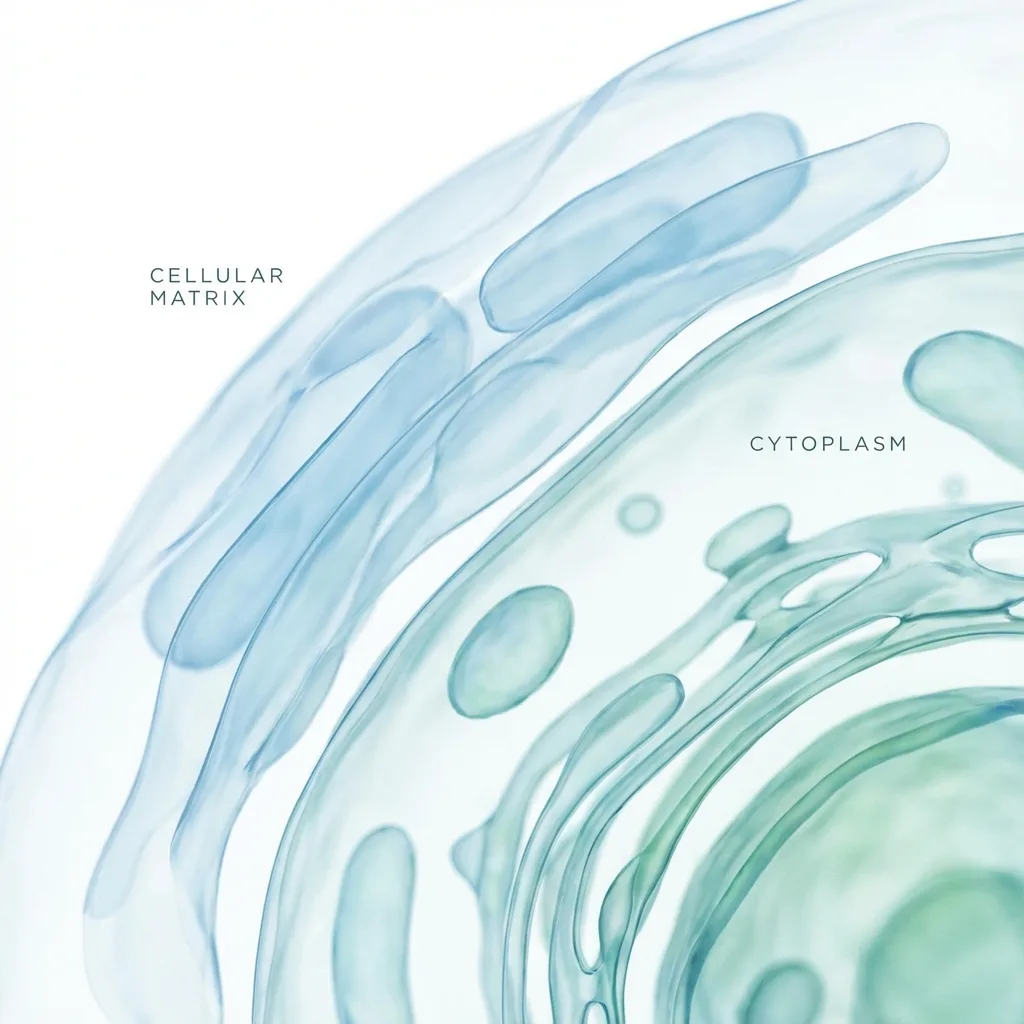
Your brain is a biological hog. It accounts for only 2% of your body weight, but it consumes 20% of your total energy.
Every thought, every memory, and every inhibition requires a molecule called ATP (Adenosine Triphosphate). ATP is the currency of life.
When you are "thinking hard" (cognitive load), your neurons burn through ATP at a frantic rate. When the ATP runs out, your brain literally throttles down. You get brain fog. You lose focus. You get irritable.
This isn't a character flaw. It is a fuel shortage.
The "Meathead" Myth
For 40 years, the solution to this energy crisis has been hiding in plain sight, but doctors ignored it because of who was using it.
Creatine.
If you hear that word and think of a bulky bodybuilder shaking a plastic cup in a gym, you are 20 years behind the science.
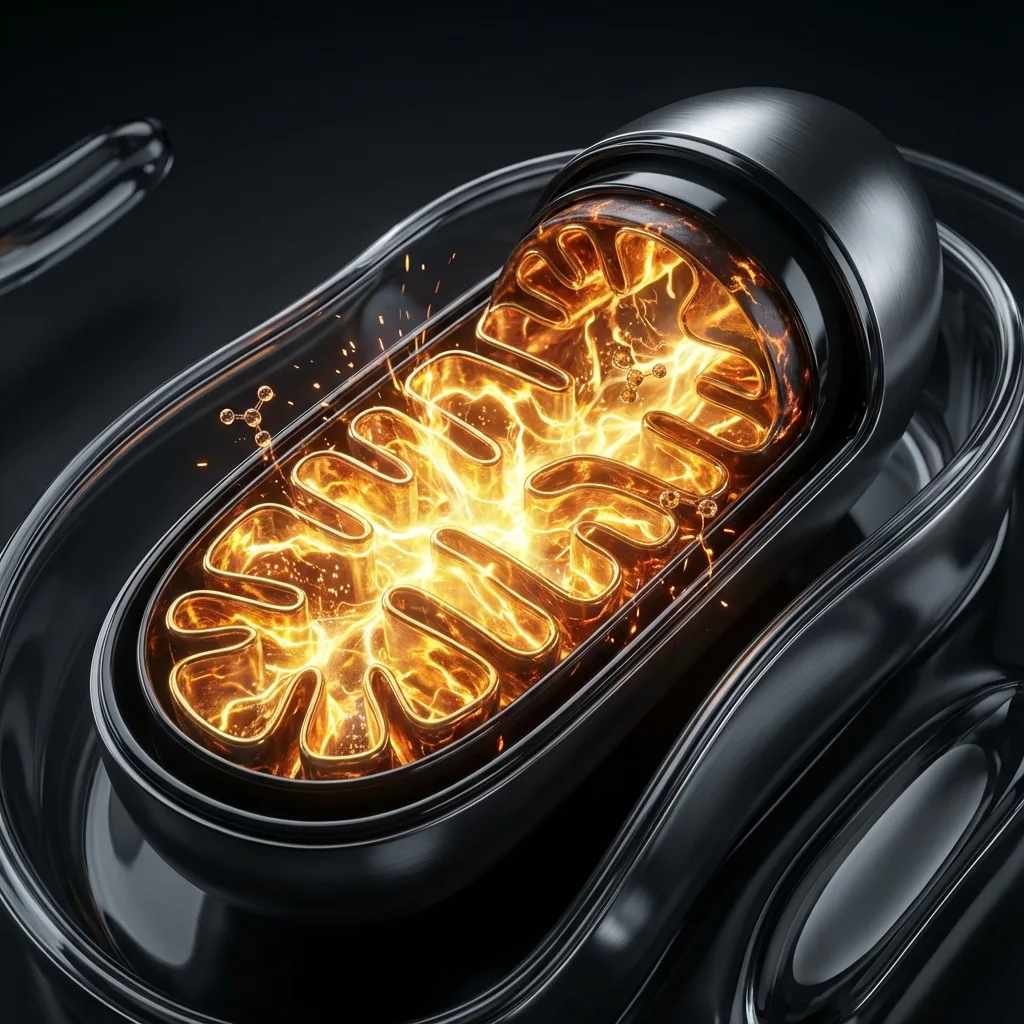
Creatine is not just a muscle builder. It is a Mitochondrial Battery Pack.

How It Works (The Phosphocreatine Shuttle)
Here is the mechanism without the jargon:
- When a neuron fires, it burns ATP and turns it into a "dead" battery called ADP.
- Normally, it takes time and food to recharge that battery.
- Creatine hangs out in the cell holding a spare phosphate group.
- As soon as the battery dies (ADP), Creatine hands over its spare part and, boom: the battery is instantly fully charged (ATP) again.
The Result: Your brain can think harder, longer, and faster without crashing.
The Protocol: The "Smart Drug" Dosage
You do not need to "load" it. You do not need to cycle it.
The Dose: 5 grams daily. Every single day.
The Type: Creatine Monohydrate. (Do not buy the fancy liquid/HCL versions; they are marketing gimmicks).
The Timing: Morning, in your coffee or water. It dissolves instantly.
The Physician's Observation
Clinical Observation
In clinical practice, it is common to observe high-performing individuals who sleep seven hours, eat well, and exercise, yet still hit a cognitive wall at 2 PM. Their blood work appears pristine and their thyroid is normal, but their brains are simply exhausting their available cellular energy. When a bioenergetic approach is introduced—specifically the addition of 5g of creatine monohydrate to support ATP recycling—many report a substantial increase in afternoon cognitive stamina. This clinical observation aligns closely with the literature: a 2018 systematic review in Experimental Gerontology confirmed that creatine supplementation significantly improves short-term memory and reasoning, particularly under conditions of high cognitive demand or sleep deprivation.
But I must stress the hierarchy. Creatine is not a substitute for sleep. If you are getting fewer than seven hours, no supplement on earth will rescue your cognition. Fix the foundation first: sleep, then nutrition (adequate protein and healthy fats for neuronal membrane repair), then exercise (which independently boosts mitochondrial density in the brain). Then consider creatine for a defined goal. For a deeper evidence review, see Can You Take Creatine and NMN Together?.
An Educational Framework
- Foundation: Sleep 7-9 hours. Non-negotiable. Your glymphatic system clears brain waste only during deep sleep.
- Fuel: Add 5g Creatine Monohydrate (Creapure) to your morning water or coffee. Every day, no cycling required.
- Measure: Track your afternoon focus on a 1-10 scale for two weeks. If no improvement, investigate sleep quality (consider a sleep study) before adding more supplements.
THE TAKEAWAY
If you want to maintain high-level focus from 8 AM to 6 PM, caffeine is not enough. Caffeine is a loan; Creatine is a deposit.
The Second Fuel: Why Ketones Matter for Brain Energy
Creatine solves the ATP recycling problem, but there is a second bottleneck worth addressing: fuel supply. Your brain runs primarily on glucose, but glucose metabolism becomes less efficient with age, insulin resistance, and inflammation. When neuronal glucose uptake falters, your brain enters an energy deficit even if blood sugar levels are normal.
This is where ketones become relevant. Ketone bodies (beta-hydroxybutyrate) can cross the blood-brain barrier and be metabolised directly by neurons, bypassing the glucose transport machinery entirely. Research from the Journal of Cerebral Blood Flow and Metabolism has shown that ketones can provide up to 60% of the brain's energy requirements during prolonged fasting or carbohydrate restriction.
You do not need to adopt a full ketogenic diet to access this benefit. Adding MCT oil (medium-chain triglycerides from coconut oil) to your morning coffee produces a modest but measurable rise in blood ketone levels within 30-60 minutes, providing your brain with a secondary fuel source that operates independently of insulin. A single tablespoon (15ml) of C8 MCT oil generates approximately 0.3-0.5 mmol/L of blood ketones, enough to supplement glucose metabolism without dietary restriction.
The combination of creatine (ATP recycling) and MCT oil (alternative fuel source) creates a dual-pathway strategy that addresses both sides of the brain energy equation. I have found this combination particularly effective for patients over 40 who report that their cognitive endurance has declined despite adequate sleep and nutrition.
Stop letting your battery die at 2 PM. Upgrade the hardware.
TOOL: The Purest Source
Supplement companies love to cut Creatine with cheap fillers. I only recommend Creapure® or micronized Monohydrate that is third-party tested for purity.
SCIENTIFIC REFERENCES
- Rae, C., et al. (2003). "Oral creatine monohydrate supplementation improves brain performance: a double-blind, placebo-controlled, cross-over trial." Proceedings of the Royal Society B: Biological Sciences.
- Avgerinos, K. I., et al. (2018). "Effects of creatine supplementation on cognitive function of healthy individuals: A systematic review of randomized controlled trials." Experimental Gerontology.
- Watanabe, A., et al. (2002). "Effects of creatine on mental fatigue and cerebral haemoglobin oxygenation." Neuroscience Research.
Explore the Pillar Topic
This article belongs to our core medical pillar on Neurolongevity & Cognitive Optimisation. For a comprehensive, physician-guided deep dive into this topic, read the full foundational guide.
Clinical Addendum
This content is for educational and informational purposes only. It is not intended as medical advice and should not replace consultation with a qualified healthcare professional. Always consult your physician before starting any new supplement, diet, or exercise programme.