
Educational Perspective
The commercial "nootropics" industry often promotes proprietary blends that rely heavily on caffeine and B-vitamins, sometimes lacking robust human clinical trial data. Instead of relying on stimulant-driven approaches, a functional perspective emphasizes compounds that have been studied for their ability to support structural brain metabolism and cognitive function. Here is an exploration of the science behind three heavily-researched compounds.
The short answer: Stop buying proprietary blends of caffeine. True cognitive enhancement requires providing the brain with the raw molecular fuel (ATP) and structural building blocks (Phospholipids) it needs to fire rapidly. Creatine, CDP-Choline, and High-DHA Omega-3s are the only three you actually need.
1. Creatine: The Brain's Battery Pack
I'll be upfront: Creatine is one of my favorite longevity supplements, and it has absolutely nothing to do with bodybuilding. Your brain consumes 20% of your body's total energy. Thinking requires ATP (cellular energy).
Creatine acts as an intracellular battery, aggressively buffering and replenishing ATP in the frontal lobe during periods of high cognitive demand. Many individuals find that supplementing with Creatine (typically 5g daily) supports energy levels, and clinical data suggests it may help mitigate some effects of sleep-deprivation-induced brain fog.
2. CDP-Choline: The Neurotransmitter Precursor
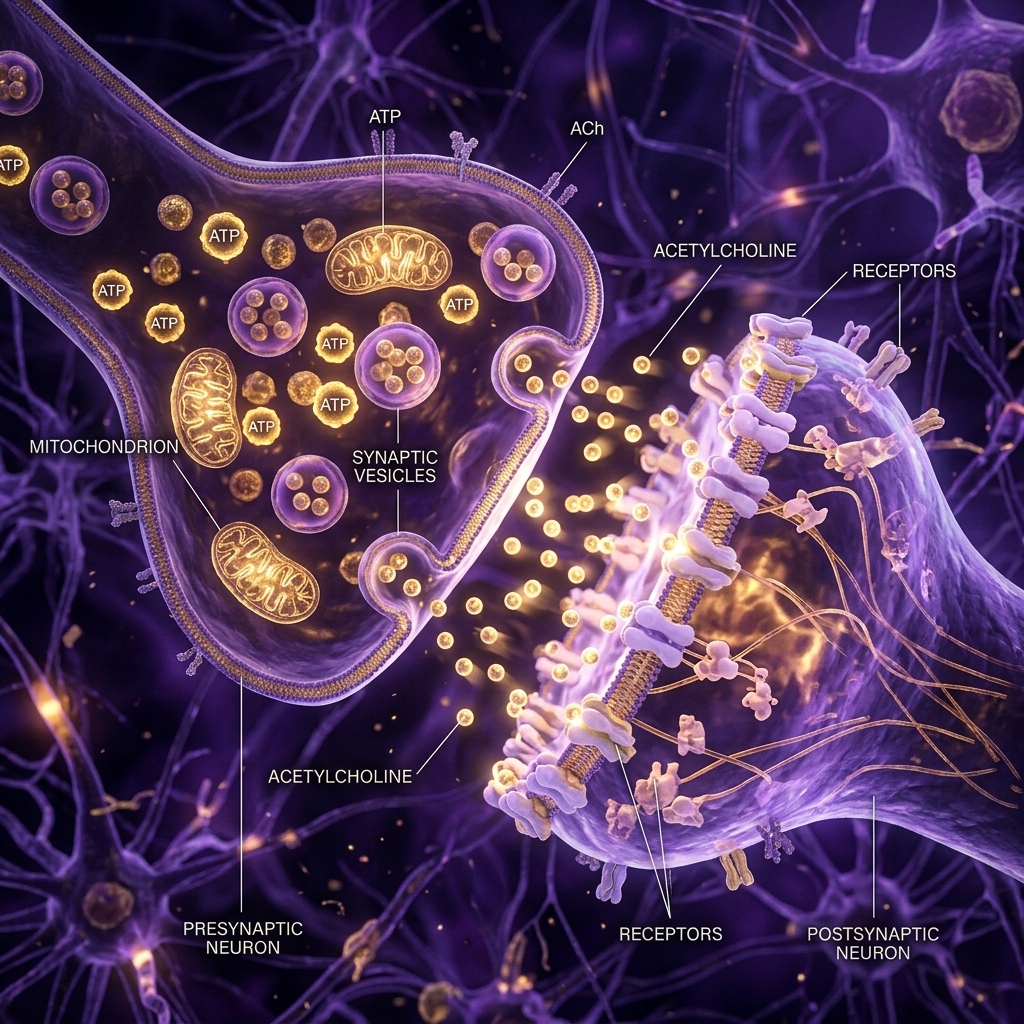
Your brain relies on a neurotransmitter called Acetylcholine for attention, learning, and memory formation. Most people simply don't produce enough of it under chronic stress.
CDP-Choline (Citicoline) provides the direct chemical precursor your brain needs to manufacture Acetylcholine on demand. Unlike 90% of the supplements on the shelf, CDP-Choline has robust human clinical trials showing it enhances frontal lobe bioenergetics. When I have a 12-hour clinical shift, this is what I take.
3. High-DHA Omega-3s: The Structural Blueprint
You can provide all the "fuel" you want, but if the engine is broken, the car won't drive. Roughly 60% of your brain is made of fat, and a massive portion of that is specifically DHA (Docosahexaenoic acid).
DHA provides the physical, structural material for neuronal membranes. If you are deficient, your cell membranes become rigid, and neurotransmitters can't dock properly. I noticed improved focus and recall during my medical board exams the week I started taking 2g of high-DHA fish oil.
The Danger of Stimulant Abuse
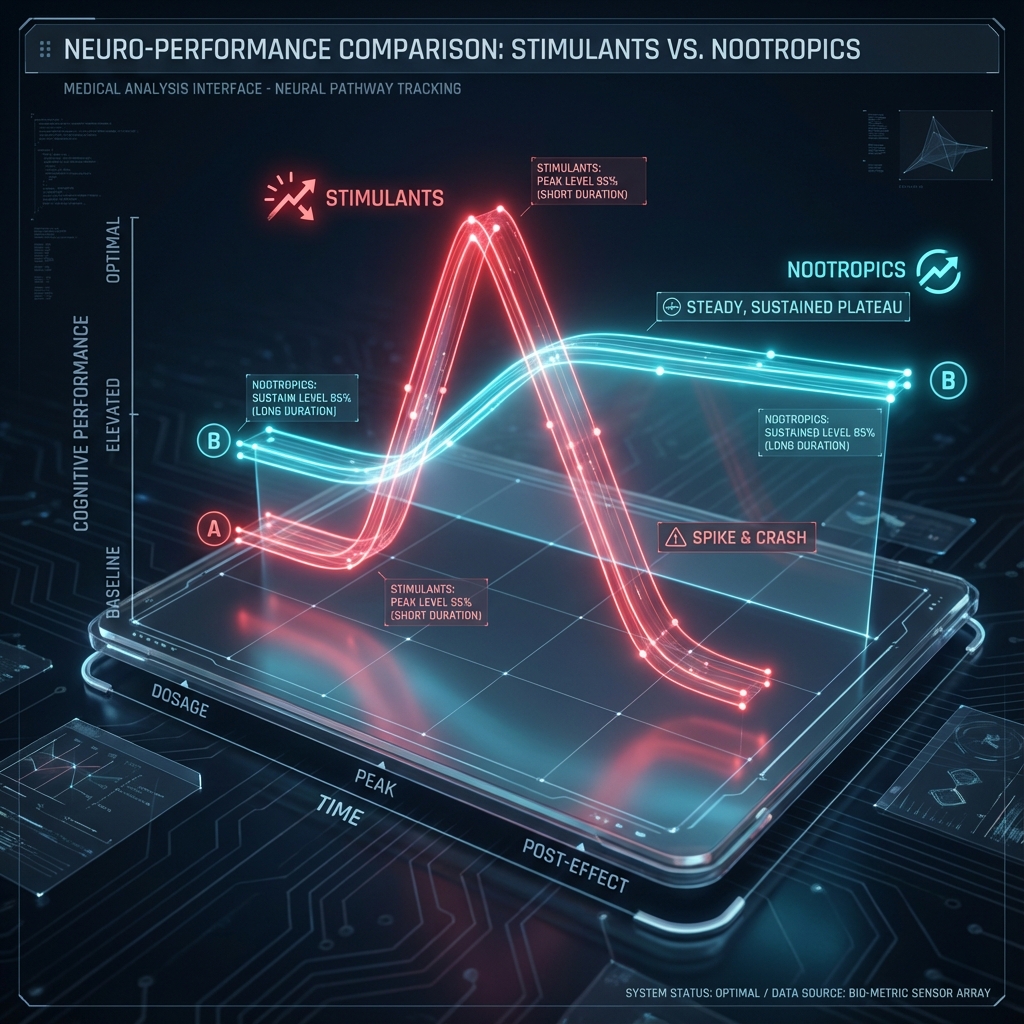
The prevailing culture in modern business and academia is to simply push harder. When cognitive fatigue sets in, the default response is another espresso or a pharmaceutical stimulant like Adderall. While these drugs flood the brain with dopamine and norepinephrine, creating intense temporary focus, they are structurally catastrophic long-term.
Stimulants do not create energy; they borrow it from tomorrow at a high interest rate. They force the brain to burn through its ATP reserves faster than they can be replenished. This leads to a severe metabolic crash, down-regulation of dopamine receptors, and eventual burnout. By utilizing Creatine, CDP-Choline, and DHA, we are not forcing the brain to work harder; we are upgrading its structural capacity to handle the load efficiently.
An Educational Framework
A comprehensive approach to cognitive support often prioritizes foundational habits—like optimizing sleep and engaging in consistent cardiovascular training—before exploring targeted compounds. When considering supplementation, educational frameworks highlight:
- The Energy Buffer: Many clinical protocols utilize 5g of Creatine Monohydrate daily to support cellular saturation.
- The Structural Base: Protocols frequently suggest high-quality Omega-3s daily, ensuring an adequate ratio of DHA to EPA to support neurological structures.
- The Focus Switch: Compounds like CDP-Choline (often in ranges of 250mg - 500mg) are sometimes utilized to support Acetylcholine production prior to demanding tasks.
Educational Addendum: The Mitochondrial Connection
To fully understand the gravity of this protocol, we must look at the cellular level. Every biological function we've discussed ultimately relies on mitochondrial output. Mitochondria are the microscopic power plants inside your cells, responsible for converting the food you eat and the oxygen you breathe into ATP (Adenosine Triphosphate)—the universal energy currency of the human body.
When you experience symptoms like brain fog, chronic joint pain, or afternoon fatigue, traditional medicine often treats these as separate diseases. In longevity medicine, we view them as different downstream expressions of the exact same upstream problem: Sub-clinical Mitochondrial Dysfunction.
As we age, our mitochondria undergo structural decay. The phospholipid membranes that protect them become rigid, and they begin to leak free radicals (Reactive Oxygen Species) into the cell. This creates a state of chronic oxidative stress. Your immune system responds to this cellular damage by triggering systemic inflammation. This is the mechanism behind "Inflammaging"—the age-related increase in systemic inflammation that drives nearly every chronic disease.
Therefore, any protocol designed to optimize your healthspan must actively protect and regenerate these power plants. This is why the foundational pillars of our practice rely on specific interventions: Zone 2 Cardiovascular Training to force mitochondrial biogenesis (the creation of new mitochondria), Time-Restricted Eating to trigger mitophagy (the clearance of dead mitochondria), and targeted supplementation like NAD+ precursors and high-dose Omega-3s to provide the raw biological materials for cellular repair.
You cannot medicate your way out of mitochondrial dysfunction. You must systematically rebuild the architecture of your cells. This is the difference between simply masking symptoms and fundamentally improving the foundational markers of your biological age.
Clinical Addendum: The Blood Sugar Crisis
To achieve maximum results from the clinical framework above, we must address the silent epidemic undermining all metabolic health: insulin resistance. Most patients are unaware they have a blood sugar problem because their fasting glucose on an annual blood test comes back "normal." But normal fasting glucose does not mean normal insulin function.
When you consume a modern diet loaded with refined carbohydrates and hidden sugars, your pancreas must pump out massive amounts of insulin to force that glucose into your cells. Over years of this relentless hammering, your cells become deaf to the signal. This is insulin resistance. Your body must produce more and more insulin just to maintain "normal" blood sugar levels.
Chronically elevated insulin is catastrophic for longevity. It blocks lipolysis (preventing you from burning stored body fat), drives systemic inflammation, and accelerates the aging of your cardiovascular system. Furthermore, insulin resistance in the brain (often called Type 3 Diabetes) starves neurons of glucose, acting as a primary driver of Alzheimer's disease and severe cognitive decline.
Reversing this requires treating food as molecular information. Every meal is either pushing you toward insulin sensitivity or insulin resistance. By prioritizing high-quality protein, healthy fats, and complex structural fibers, we can flatten the glucose curve. Incorporating intermittent fasting protocols allows insulin levels to drop to baseline, forcing the body to transition from burning sugar to burning fat, and supporting the metabolic flexibility required for long-term health and vitality.
Medical Disclaimer
This information is for educational purposes and does not constitute medical advice. Consult your physician before starting any new supplement regimen, particularly if you have existing medical conditions or take prescription medications.