
By Dr. Gavin McAuley | EMPOWERVIDA
THE SHORT ANSWER
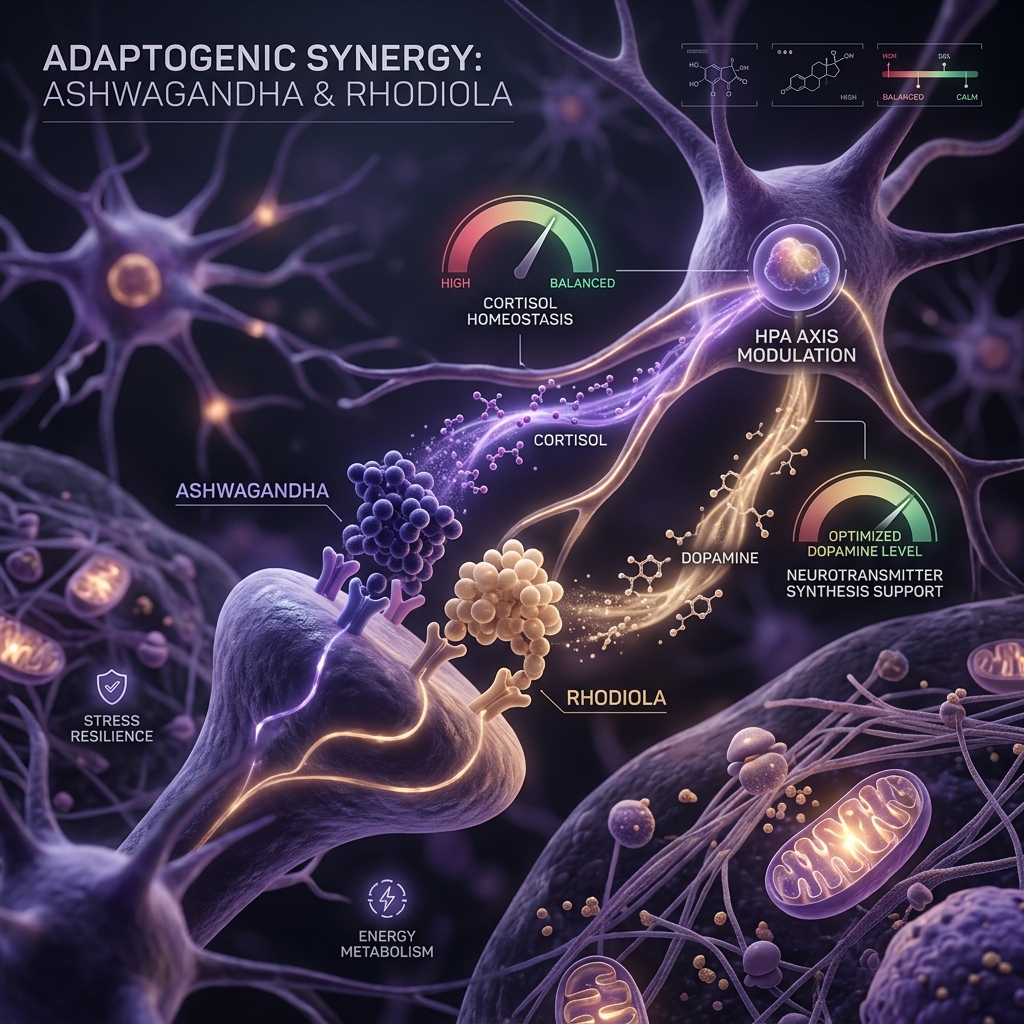
Yes — they are complementary adaptogens with different stress-response profiles. Ashwagandha is primarily calming (lowers cortisol, reduces anxiety, improves sleep), while Rhodiola is primarily energising (enhances focus, reduces mental fatigue, boosts endurance). Together, they offer balanced stress resilience without sedation or overstimulation.
How They Work Differently
Ashwagandha (Withania somnifera) works primarily through the HPA axis — the hypothalamic-pituitary-adrenal system that controls your cortisol response. Clinical trials demonstrate an average 23-30% reduction in serum cortisol after 8 weeks of supplementation at 600mg/day. It also modulates GABA receptors, which explains its anxiolytic (anti-anxiety) and sleep-promoting effects. The key active compounds are withanolides.
Rhodiola rosea works differently — it modulates serotonin and dopamine by inhibiting monoamine oxidase (MAO) and COMT enzymes, increasing the availability of these "feel-good" neurotransmitters. It also enhances mitochondrial ATP production under stress. The result: improved mental clarity, reduced fatigue, and better exercise performance. The key compounds are rosavins and salidroside.
Why Combining Them Makes Sense
Modern stress is multi-dimensional. You might feel wired but exhausted — cortisol is high (anxious, poor sleep) but dopamine is low (no motivation, brain fog). Ashwagandha alone might calm you but leave you feeling flat. Rhodiola alone might sharpen focus but worsen anxiety. Together, they address both sides: cortisol comes down, while dopamine and serotonin are preserved. The net effect is calm alertness — what some practitioners call "relaxed readiness."
Dosing and Timing
Ashwagandha: 300-600mg daily of a root extract standardised to 5%+ withanolides. KSM-66 and Sensoril are the most clinically studied brands. Take in the evening if sleep improvement is a goal, or morning if cortisol reduction is the primary aim.
Rhodiola: 200-400mg daily of an extract standardised to 3% rosavins and 1% salidroside. Take in the morning — Rhodiola is mildly stimulating and can interfere with sleep if taken after 2pm.
Cycling: Some practitioners recommend cycling adaptogens (5 days on, 2 off, or 6 weeks on, 2 weeks off) to prevent receptor desensitisation. The evidence for this is limited but the theoretical basis is sound.
Safety Considerations
Thyroid conditions: Ashwagandha can increase thyroid hormone production (T3 and T4). If you have hyperthyroidism or are on levothyroxine, monitor thyroid levels closely.
Autoimmune conditions: Ashwagandha is an immune modulator. If you have lupus, rheumatoid arthritis, or MS, consult your specialist before use.
Pregnancy: Both are contraindicated during pregnancy.
SSRIs/MAOIs: Rhodiola has mild MAO-inhibiting properties. If you take antidepressants, discuss this combination with your prescriber.
An Educational Perspective: This is my go-to adaptogen stack for high-performing professionals dealing with chronic stress. Guidelines typically suggest Rhodiola in the morning for mental sharpness and Ashwagandha (KSM-66, 600mg) in the evening for cortisol management and sleep. Patients consistently report feeling "more resilient" within 2-3 weeks — they still face the same stressors, but their physiological response is measurably blunted. Cortisol testing before and after confirms this subjectively.
Explore the Pillar Topic
This article belongs to our core medical pillar on The Physician's Protocol Overview. For a comprehensive, physician-guided deep dive into this topic, read the full foundational guide.
Medical Disclaimer: This article is for educational purposes only. Adaptogens can interact with thyroid medications, antidepressants, and immunosuppressants. Consult your healthcare provider before starting.