
By Dr. Gavin McAuley | EMPOWERVIDA
THE SHORT ANSWER
Yes — Vitamin C is essential for collagen synthesis. Without adequate Vitamin C, your body literally cannot produce collagen. Vitamin C is a required cofactor for the enzymes prolyl hydroxylase and lysyl hydroxylase, which stabilise the collagen triple-helix structure. Taking collagen supplements without Vitamin C is like buying bricks without mortar.
The Biochemistry: Why Vitamin C Is Non-Negotiable
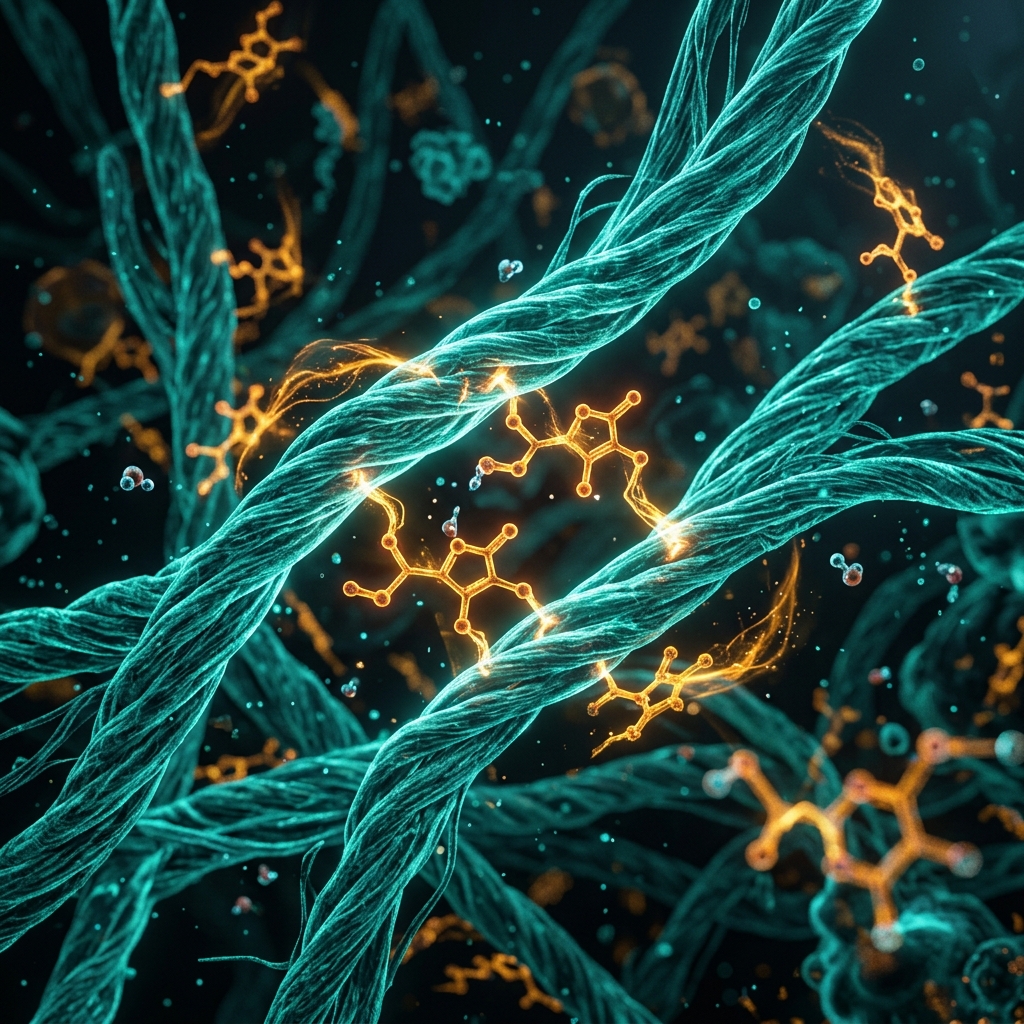
Collagen is the most abundant protein in your body — it forms the structural scaffold of skin, tendons, ligaments, bones, cartilage, and blood vessels. Its characteristic strength comes from its triple-helix structure, where three polypeptide chains wind around each other like a twisted rope. This helix can only form properly when specific proline and lysine amino acids are hydroxylated (have an -OH group added). The enzymes that perform this hydroxylation — prolyl hydroxylase and lysyl hydroxylase — require Vitamin C as a cofactor.
Without Vitamin C, these enzymes cannot function. The collagen chains produced are unstable, malformed, and rapidly degraded. This is exactly what happens in scurvy — the disease caused by severe Vitamin C deficiency. Sailors in the 18th century developed bleeding gums, loose teeth, joint pain, and wounds that would not heal — all because their collagen was structurally compromised without Vitamin C.
What Happens When You Combine Them
When you take hydrolysed collagen peptides, you provide your body with the amino acid building blocks (glycine, proline, hydroxyproline) needed for collagen synthesis. When you add Vitamin C, you ensure the enzymatic machinery to assemble those building blocks into functional collagen is operating at full capacity. A 2018 study published in the Journal of Drugs in Dermatology found that collagen supplementation combined with Vitamin C significantly improved skin elasticity, hydration, and dermal collagen density compared to collagen alone.
Vitamin C also contributes independently to skin health through its potent antioxidant activity — neutralising free radicals generated by UV exposure, pollution, and metabolic processes that would otherwise degrade existing collagen through oxidative damage. So Vitamin C both builds new collagen and protects existing collagen from breakdown.
Dosing and Timing
Collagen peptides: 10-15g daily of hydrolysed collagen (Types I and III for skin and joints). Hydrolysed peptides are pre-broken-down for superior absorption compared to gelatin or undenatured collagen.
Vitamin C: 500-1,000mg daily. There is no benefit to megadosing — absorption efficiency drops sharply above 500mg per dose. If taking more than 500mg, split across two doses.
Timing: Take together, ideally on an empty stomach or 30 minutes before a meal. Some evidence suggests taking collagen peptides on an empty stomach enhances absorption of the dipeptides (Pro-Hyp and Hyp-Gly) that stimulate fibroblast activity.
Duration: Allow 8-12 weeks for visible skin improvements and 3-6 months for joint benefits. Collagen remodelling is a slow biological process.
Beyond Skin: Joint and Bone Benefits
While most people associate collagen with skin anti-ageing, the combination is equally valuable for joint health. Collagen makes up 70% of your cartilage by dry weight. A meta-analysis in the British Journal of Sports Medicine found that hydrolysed collagen supplementation significantly reduced joint pain in athletes and osteoarthritis patients. Adding Vitamin C to optimise synthesis maximises this benefit. For bone health, Type I collagen provides the flexible framework that gives bones their resistance to fracture (calcium provides the hardness, collagen provides the flexibility).
Safety Considerations
Kidney stones: Very high Vitamin C doses (above 2,000mg/day) may increase oxalate production and kidney stone risk in susceptible individuals. The doses recommended here (500-1,000mg) are well below this threshold.
Allergies: Most collagen supplements are derived from bovine (cow), porcine (pig), or marine (fish) sources. If you have allergies to any of these, choose your source accordingly. Marine collagen is increasingly popular and tends to have smaller peptide sizes.
Interactions: No significant drug interactions at standard doses. Both are remarkably safe with very favourable toxicity profiles.
An Educational Perspective: Educational frameworks often suggest this combination to virtually every patient over 35. Collagen production declines by approximately 1-1.5% per year after age 25 — by 50, you have lost 25-35% of your collagen synthesis capacity. The visible result is thinner skin, deeper wrinkles, and joint stiffness. The combination of hydrolysed collagen peptides (providing substrate) and Vitamin C (ensuring enzymatic capacity) is one of the most straightforward, well-tolerated interventions for structural ageing. Guidelines typically suggest taking it first thing in the morning with water and a squeeze of lemon — simple, effective, and easy to maintain as a daily habit.
Explore the Pillar Topic
This article belongs to our core medical pillar on The Physician's Protocol Overview. For a comprehensive, physician-guided deep dive into this topic, read the full foundational guide.
Medical Disclaimer: This article is for educational purposes only and does not constitute medical advice. Consult your healthcare provider if you have kidney disease or are pregnant before starting new supplements.