
By Dr. Gavin McAuley | EMPOWERVIDA
THE SHORT ANSWER
Not only can you take glycine and NAC (N-acetylcysteine) together, but you must take them together if your goal is glutathione restoration. This combination (GlyNAC) is backed by human clinical trials showing reversal of multiple ageing hallmarks. This is not speculative longevity science. This is evidence based intervention.
Why This Combination Works: The Biochemistry of Glutathione
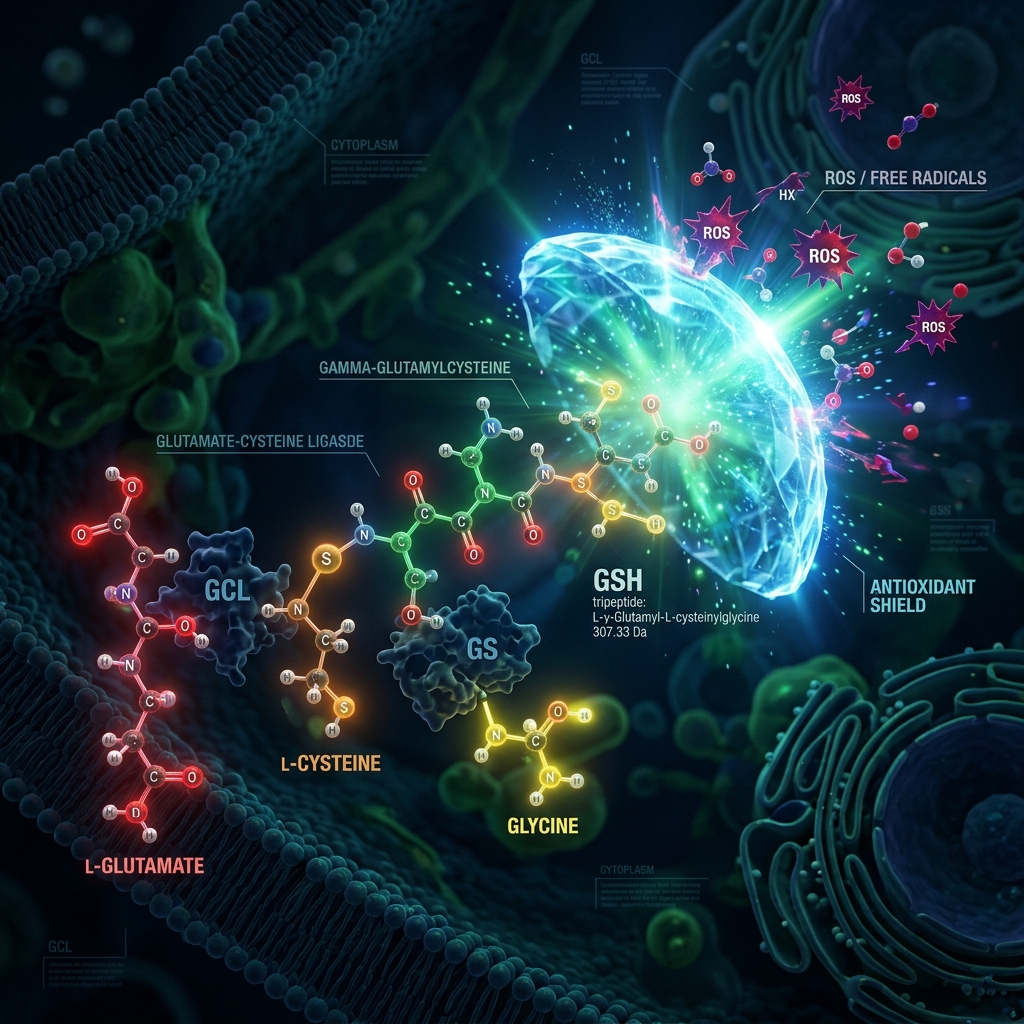
Glutathione is your body's master antioxidant. It neutralises reactive oxygen species (ROS), detoxifies heavy metals, and supports mitochondrial function. Glutathione levels decline 30-50% between age 20 and age 60. This decline drives oxidative stress, which accelerates ageing.
Glutathione is a tripeptide made from three amino acids: glutamate + cysteine + glycine.
The rate limiting step: Cysteine availability. Your body cannot synthesise cysteine fast enough to keep up with glutathione demand, especially under oxidative stress. NAC is a precursor to cysteine. Glycine is also deficient in ageing (your body synthesises it, but not at replacement levels).
GlyNAC = cysteine (from NAC) + glycine. Together, they provide the two limiting substrates for glutathione synthesis.
The Clinical Why
Taking NAC alone provides cysteine but leaves glycine deficient. Taking glycine alone leaves cysteine deficient. The combination restores both substrates simultaneously, enabling glutathione synthesis to normalise. This is why the clinical trials used GlyNAC as a combination, not individual components.
The Clinical Evidence: What the Trials Showed
In 2021, Baylor College of Medicine published a human trial where older adults (median age 70) supplemented GlyNAC for 16 weeks. The results were remarkable:
- Glutathione levels restored to young adult levels
- Oxidative stress reduced (measured by F2-isoprostanes)
- Mitochondrial function improved (increased ATP production)
- Inflammation decreased (reduced TNF-α, IL-6)
- Insulin resistance improved (lower HOMA-IR)
- Cognitive function improved (executive function tests)
- Physical strength increased (gait speed, grip strength)
A 2023 animal study showed GlyNAC supplementation extended lifespan by 24% in mice.
Dosing and Timing
NAC: 600-1,200mg daily, split into two doses (morning and evening). Higher doses (1,800mg) used in clinical trials but may cause gastrointestinal upset.
Glycine: 3-5g daily, split into two doses. Glycine has a mildly sweet taste and can be mixed into water or coffee.
Can you take them at the same time? Yes. Educational frameworks often suggest dosing both together, twice daily (e.g. 600mg NAC + 2.5g glycine at breakfast, repeat at dinner).
The Physicians Note
GlyNAC is the closest thing Observations have shown to a "reversal of ageing" intervention in humans. The Baylor trials are methodologically sound, and the results are clinically meaningful (not just statistically significant biomarker changes).
Can they be taken together? Yes. Clinical protocols typically advise co-administration, twice daily (e.g., 600mg NAC + 2.5g glycine at breakfast, repeated at dinner).
The Educational Perspective
GlyNAC represents a significant advancement in human longevity interventions. The Baylor trials provide methodologically sound evidence that reversing glutathione deficiency yields clinically meaningful improvements across multiple ageing hallmarks, rather than merely altering isolated biomarkers.
This combination is increasingly considered a foundational recommendation for adults over 40. It offers a well-tolerated and accessible method to address a fundamental driver of ageing—oxidative stress—at the cellular level.
A practical clinical observation: Glycine administration frequently improves sleep architecture by modulating NMDA receptors and reducing core body temperature. Patients routinely report more restorative sleep when the second dose is taken in the evening.
Interactions: NAC may enhance the effects of nitroglycerin (used for angina). If you take nitrate medications, consult your cardiologist before supplementing with NAC.
Clinical Addendum: The Architecture of Sleep
All the interventions we have discussed are completely nullified if you fail to optimize the foundation of human performance: sleep architecture. It is common to observe many individuals spending thousands on peptides and advanced therapies, yet they are chronically sleep-deprived. You cannot out-supplement poor sleep.
Sleep is not a passive state of unconsciousness. It is a highly active, metabolically demanding period of systemic repair. During the initial stages of deep, slow-wave (Delta) sleep, your pituitary gland releases massive surges of Human Growth Hormone (HGH), which is responsible for repairing muscle tissue, strengthening bones, and mobilizing stored fat. Simultaneously, your brain physically shrinks to allow cerebrospinal fluid to power-wash metabolic waste away through the glymphatic system.
During the later stages of REM sleep, your brain consolidates memories, processes emotional trauma, and rebuilds the synaptic networks required for learning and neuroplasticity. When you cut your sleep short by even 90 minutes, you disproportionately rob your brain of this critical REM phase.
Most adults are not actually sleeping; they are simply sedated. Alcohol, prescription sleep aids, and chronic stress fragment your sleep architecture, preventing you from ever reaching these restorative stages. To support healthy biological aging, you must treat sleep as a clinical intervention. This means respecting your circadian biology: viewing morning sunlight to set your cortisol rhythm, avoiding blue light 90 minutes before bed, dropping your core body temperature, and utilizing targeted compounds like Magnesium Bisglycinate to facilitate the transition into deep sleep.
Clinical Addendum: The Mitochondrial Connection
To fully understand the gravity of this protocol, we must look at the cellular level. Every biological function we've discussed ultimately relies on mitochondrial output. Mitochondria are the microscopic power plants inside your cells, responsible for converting the food you eat and the oxygen you breathe into ATP (Adenosine Triphosphate)—the universal energy currency of the human body.
When you experience symptoms like brain fog, chronic joint pain, or afternoon fatigue, traditional medicine often treats these as separate diseases. In longevity medicine, we view them as different downstream expressions of the exact same upstream problem: Sub-clinical Mitochondrial Dysfunction.
As we age, our mitochondria undergo structural decay. The phospholipid membranes that protect them become rigid, and they begin to leak free radicals (Reactive Oxygen Species) into the cell. This creates a state of chronic oxidative stress. Your immune system responds to this cellular damage by triggering systemic inflammation. This is the mechanism behind "Inflammaging"—the age-related increase in systemic inflammation that drives nearly every chronic disease.
Therefore, any protocol designed to optimize your healthspan must actively protect and regenerate these power plants. This is why the foundational pillars of our practice rely on specific interventions: Zone 2 Cardiovascular Training to force mitochondrial biogenesis (the creation of new mitochondria), Time-Restricted Eating to trigger mitophagy (the clearance of dead mitochondria), and targeted supplementation like NAD+ precursors and high-dose Omega-3s to provide the raw biological materials for cellular repair.
You cannot medicate your way out of mitochondrial dysfunction. You must systematically rebuild the architecture of your cells. This is the difference between simply masking symptoms and fundamentally improving the foundational markers of your biological age.
Clinical Addendum
This content is for educational and informational purposes only. It is not intended as medical advice and should not replace consultation with a qualified healthcare professional. While GlyNAC has strong clinical evidence, consult your physician before starting supplementation, particularly if you have asthma, cardiovascular disease, or take prescription medications.