
By Dr. Gavin McAuley | EMPOWERVIDA
THE SHORT ANSWER
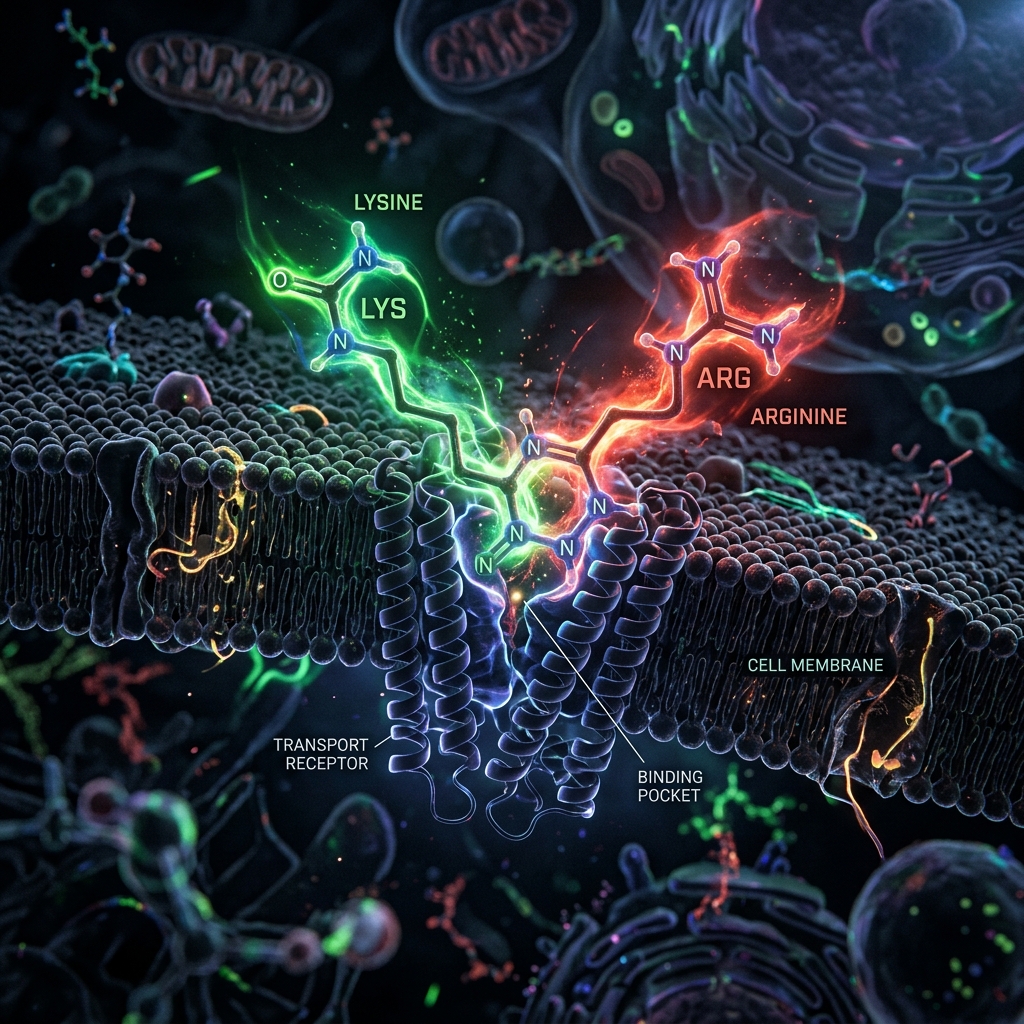
It depends on your goal. These amino acids are antagonistic, not synergistic. Lysine and arginine compete for the same intestinal absorption transporters and have opposing effects on herpes virus replication. If your goal is cardiovascular health (nitric oxide production), prioritise arginine. If your goal is herpes virus suppression, prioritise lysine and limit arginine. Taking both simultaneously in equal amounts can cancel out the specific benefits of each.
The Lysine-Arginine Ratio and Herpes Virus
Herpes simplex virus (HSV-1 and HSV-2) requires arginine for viral replication. The virus hijacks the host cell's arginine supply to synthesise the proteins needed for new viral particles. Lysine competes with arginine for absorption and cellular uptake, effectively reducing the arginine available for viral replication. Clinical studies have demonstrated that maintaining a high lysine-to-arginine ratio in the diet and through supplementation reduces the frequency, severity, and healing time of herpes outbreaks.
This means that for individuals managing herpes outbreaks, supplementing arginine can actually trigger or worsen outbreaks, while lysine supplementation (1,000-3,000mg/day) helps suppress them. Taking both simultaneously negates this protective ratio.
Arginine for Cardiovascular Health
Arginine is the precursor for nitric oxide (NO), produced by the enzyme nitric oxide synthase (eNOS). NO is a vasodilator that relaxes blood vessel walls, lowers blood pressure, improves blood flow, and prevents platelet aggregation. This is why arginine supplementation has been studied for erectile dysfunction, exercise performance, and cardiovascular disease. However, for cardiovascular purposes, L-citrulline is actually a more effective nitric oxide strategy than arginine itself, as citrulline bypasses first-pass liver metabolism and sustains arginine levels more effectively (see our Citrulline and Arginine article).
When It Makes Sense to Take Both
Despite the antagonism, there are specific scenarios where both can be beneficial. A study in Biomedical Research found that lysine and arginine taken together reduced cortisol levels and anxiety in stressed individuals. The anxiolytic effect appeared to result from the combination modulating the stress hormone response through HPA axis regulation. In this context, the goal is not herpes management or cardiovascular support, but rather stress resilience, and the antagonistic absorption effect is less relevant at the doses used (2.64g each per day).
Dosing Guidance
For herpes management (lysine focused): Lysine 1,000-3,000mg daily on an empty stomach. Minimise high-arginine foods (nuts, chocolate, seeds) during outbreaks. Do not supplement arginine.
For cardiovascular/NO support (arginine focused): L-arginine 3,000-6,000mg daily, or preferably L-citrulline 3,000-6,000mg for better bioavailability. Not recommended if managing herpes outbreaks.
For stress/anxiety (both): Lysine 2,640mg + Arginine 2,640mg daily, based on the clinical trial protocol. Separate from other amino acid supplements by 1 hour.
Absorption note: If taking both for different purposes, separate them by at least 2 hours to reduce competition at intestinal transporters.
Safety Considerations
Arginine and heart attack history: A concerning study (JAMA, 2006) found that arginine supplementation in post-myocardial infarction patients increased mortality. Arginine supplementation is not recommended after heart attacks.
Kidney disease: High-dose amino acid supplementation increases nitrogen load. If you have kidney impairment, consult your physician before supplementing either amino acid at therapeutic doses.
Lysine and calcium: Lysine enhances calcium absorption and reduces urinary calcium excretion. This is beneficial for bone health but may require monitoring in individuals prone to hypercalcaemia.
An Educational Perspective: The most common mistake I see is patients taking arginine for cardiovascular health without realising it triggers their herpes outbreaks, or patients taking lysine for herpes without understanding why. Context is everything with these two amino acids. For cardiovascular nitric oxide support, I almost always recommend citrulline instead of arginine, since it avoids the herpes trigger issue entirely. For herpes management, lysine at 1,000mg daily with increase to 3,000mg during outbreaks is my standard recommendation. The stress-reduction data for the combination is interesting but I consider it a niche application.
Explore the Pillar Topic
This article belongs to our core medical pillar on The Physician's Protocol Overview. For a comprehensive, physician-guided deep dive into this topic, read the full foundational guide.
Medical Disclaimer: This article is for educational purposes only. Do not supplement arginine after a heart attack. If you have kidney disease, consult your physician before starting amino acid supplements.