
By Dr. Gavin McAuley | EMPOWERVIDA
THE SHORT ANSWER
Yes — and you should. Vitamin D increases calcium absorption from your gut by up to 40%. Without Vitamin K2 to direct that calcium into your bones, it deposits in your arteries and soft tissues instead. This is not a theoretical risk; it is measurable on coronary calcium scans. I never prescribe Vitamin D without K2.
Why This Combination Is Non-Negotiable
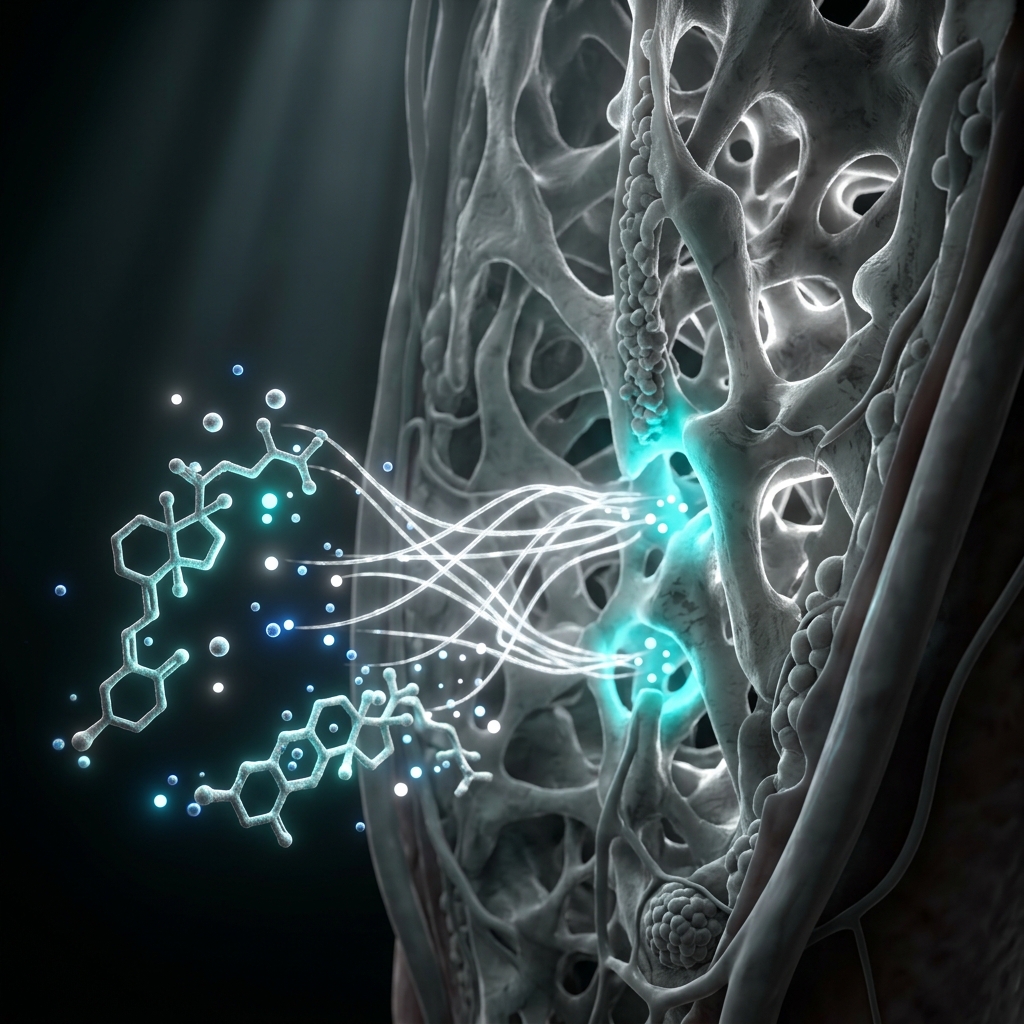
Think of Vitamin D as a calcium amplifier and Vitamin K2 as a calcium traffic controller. Vitamin D tells your intestines to absorb more calcium from food — excellent for bone density and immune function. But once that calcium is in your bloodstream, it needs direction. Without K2, calcium drifts aimlessly and ends up calcifying your arterial walls, heart valves, and kidneys.
Vitamin K2 activates two critical proteins: osteocalcin (which pulls calcium into bone matrix) and Matrix GLA Protein (which prevents calcium from depositing in arteries). A 2019 study in the Journal of the American Heart Association found that people with the highest K2 intake had a 57% lower risk of coronary heart disease. The mechanism is precisely this: K2 keeps calcium where it belongs.
The Clinical Evidence
The Rotterdam Study, which followed 4,807 participants over 10 years, demonstrated that high dietary K2 intake was associated with a 52% reduction in severe aortic calcification. Separately, a randomised controlled trial published in Osteoporosis International showed that the combination of Vitamin D3 + K2 improved bone mineral density significantly more than Vitamin D3 alone. The evidence is not anecdotal — it is robust, replicated, and dose-dependent.
Dosing and Timing
Vitamin D3: 2,000–5,000 IU daily. Functional approaches often target a serum 25-hydroxyvitamin D level of 50–70 ng/mL in functional approaches. Most adults in northern latitudes are deficient (below 30 ng/mL) without supplementation.
Vitamin K2 (MK-7): 100–200 mcg daily. The MK-7 form has the longest half-life (approximately 72 hours), providing consistent activation of calcium-directing proteins.
Timing: Take both with a fat-containing meal. Both are fat-soluble vitamins and their absorption increases by 2-3x when consumed with dietary fat. A morning meal containing eggs, avocado, or olive oil is ideal.
Who Should Be Cautious
Warfarin users: Vitamin K2 directly counteracts warfarin's mechanism of action. If you are on warfarin or other vitamin K antagonist anticoagulants, do not take K2 without medical supervision. Your INR must be monitored closely.
Direct oral anticoagulants (DOACs) like apixaban or rivarelbaan are not affected by vitamin K — these patients can typically take K2 safely, but should confirm with their prescribing physician.
Hyperparathyroidism: If you have elevated parathyroid hormone, Vitamin D supplementation may exacerbate hypercalcaemia. Get your PTH and calcium levels checked first.
An Educational Perspective: Observations have shown coronary calcium scores improve in patients who added K2 (MK-7, 200mcg) to their existing Vitamin D regimen. The combination is inexpensive, well-tolerated, and addresses one of the most common unintended consequences of isolated Vitamin D supplementation. If you are taking Vitamin D without K2, you are solving one problem while potentially creating another. This is the single most important supplement pairing Educational frameworks often suggest.
Explore the Pillar Topic
This article belongs to our core medical pillar on The Physician's Protocol Overview. For a comprehensive, physician-guided deep dive into this topic, read the full foundational guide.
Medical Disclaimer: This article is for educational purposes only and does not constitute medical advice. Consult your healthcare provider before starting any supplement regimen, particularly if you take anticoagulant medications.