By Dr. Gavin | EMPOWERVIDA
TL;DR
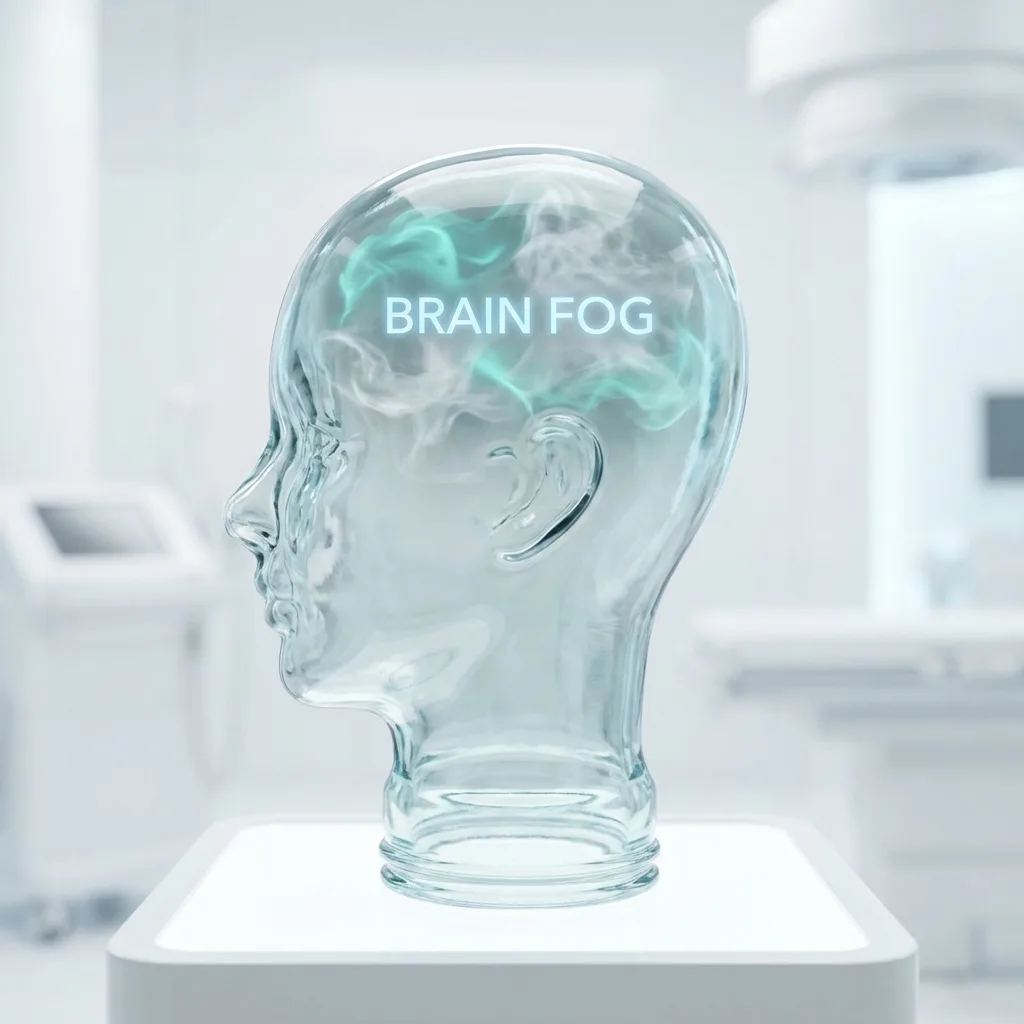
Anxiety and "brain fog" are often symptoms of neuroinflammation. When brain immune cells (microglia) panic, they block serotonin and trigger "sickness behaviour." Fix: Cut sugar/seed oils, heal the gut (probiotics), and use Liposomal Curcumin to extinguish the brain fire.
It is often observed that a specific type of patient. They aren't just "sad" in the clinical depression sense. They are tired. They are wired but exhausted. They have lost their joie de vivre: the spark that makes life feel vibrant.
They often say, "Doc, I feel anxious, I have brain fog, and I just don't care about things I used to love."
Standard medicine often hands them an antidepressant (SSRI) and sends them home. But for many, the pills don't work, or they numb the bad feelings along with the good.
In clinical practice, it is common to observe that individuals who consistently utilize activated B-complex vitamins report a tangible reduction in baseline anxiety. This highlights a persistent frustration with modern medicine's approach to mental health: we frequently reach for SSRIs and benzodiazepines—drugs with substantial side effect profiles and dependency risks—before checking if the patient is simply deficient in the basic metabolic cofactors required for neurological function. B6, B12, folate, and magnesium are not alternative medicine; they are fundamental biochemistry. Many individuals presenting with chronic anxiety are deficient in at least one of these vital neuro-nutrients.
Why? Because we are treating the wrong system. We are treating a chemical imbalance when we should be treating a cellular fire.
The Clinical Reality: You might not be "mentally ill." You might be Neuroinflamed.
The Mechanism: Meet Your Brain's Immune System
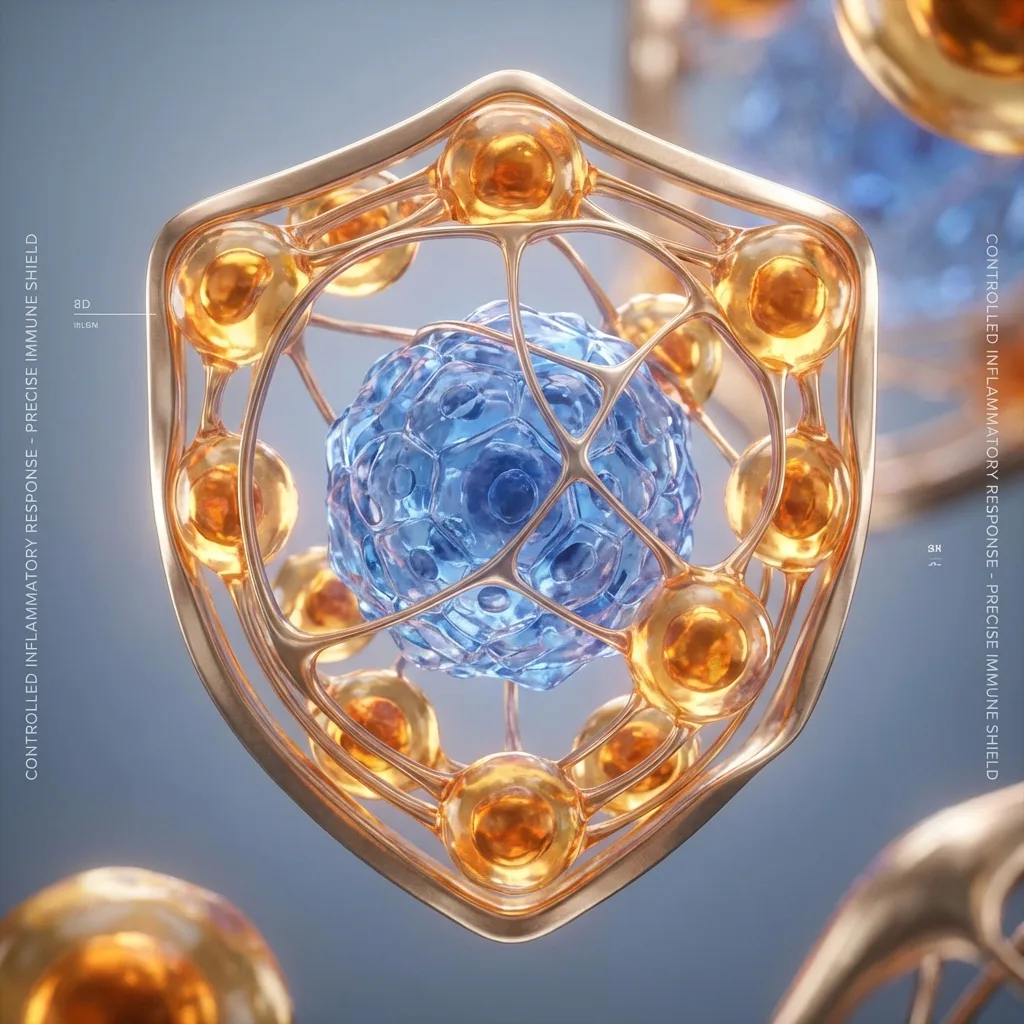
Your brain has its own private army called Microglia. Normally, these cells are the "gardeners" of the brain. They prune dead neurons, clean up debris, and keep the garden tidy.
But when your body is chronically inflamed, from processed food, lack of sleep, or chronic stress, these gardeners panic. They stop pruning and start attacking.
They enter a "primed" state and release inflammatory chemicals called Cytokines.
Here is the key: Cytokines kill your mood. They block the conversion of Tryptophan into Serotonin (your happy chemical) and instead turn it into a neurotoxin called Quinolinic Acid.
The Result: You feel anxious, withdrawn, and foggy. Evolutionarily, this is called "Sickness Behaviour." Your body wants you to isolate yourself to heal. But in the modern world, you aren't sick; you're just inflamed.
The Protocol: The Fire Extinguisher
To bring the spark back, we have to cool the brain down.
1. CUT THE FUEL (Dietary Elimination)
You cannot put out a fire if you keep pouring gasoline on it. The two biggest drivers of neuroinflammation are Refined Sugar and Industrial Seed Oils (Canola, Soybean). They trigger the gut-brain axis to sound the alarm.
The Move: For 2 weeks, cut processed sugar and fried foods. Watch your anxiety drop.
2. HEAL THE BARRIER (The Gut)
A "leaky gut" allows endotoxins (bacteria poop) to enter your bloodstream. Your brain detects this threat and inflames itself to protect you.
The Move: Add fermented foods (Sauerkraut, Kimchi) or a high-quality probiotic to tighten the gut lining.
3. THE FIRE EXTINGUISHER (Liposomal Curcumin)
This is the most powerful tool in my arsenal. Curcumin (the active compound in Turmeric) is a potent anti-inflammatory. However, standard turmeric powder is useless. It doesn't absorb well, and it definitely doesn't reach the brain.
To cross the blood-brain barrier and calm the Microglia, you need a highly bioavailable form, such as Phytosome (Meriva) or Liposomal Curcumin.
The Science: A study in the Journal of Psychopharmacology found that bioavailable Curcumin significantly reduced depressive symptoms and anxiety in patients by lowering inflammation markers like IL-6.
THE TAKEAWAY
If you have tried "fixing your mindset" and it didn't work, stop blaming yourself. You can't meditate your way out of biological inflammation.
Put down the sugar. Heal your gut. Extinguish the fire. When the inflammation cools, the joie de vivre returns.
TOOL: The "Fire Extinguisher" Supplement
I rely on Curcumin Phytosome (Meriva) because it mimics the body's cell membranes for maximum absorption into the brain.
The Kynurenine Pathway: The "Tryptophan Steal"
To understand why inflammation causes anxiety, you need to understand the Kynurenine Pathway. Under normal conditions, your body converts the amino acid Tryptophan into Serotonin (mood) and then into Melatonin (sleep). It is a clean, linear process.
But when inflammatory cytokines are elevated, they activate an enzyme called IDO (Indoleamine 2,3-dioxygenase). IDO hijacks Tryptophan and shunts it down the Kynurenine Pathway instead. The end product is not serotonin. It is Quinolinic Acid, a potent neurotoxin that overstimulates NMDA receptors, causing excitotoxicity, anxiety, and eventually neuronal death.
This is why giving an SSRI to someone with neuroinflammation often fails. SSRIs work by recycling existing serotonin. But if the raw material (Tryptophan) is being stolen by the Kynurenine Pathway, there is no serotonin to recycle. You are trying to squeeze water from an empty sponge. The correct intervention is to reduce the inflammation that is activating IDO in the first place.
The Biomarker: How to Know if You Are Neuroinflamed
Ask your GP for a hs-CRP (high-sensitivity C-Reactive Protein) test. This is a simple blood marker for systemic inflammation. in functional settings, I consistently find that individuals presenting with treatment-resistant anxiety or depression have hs-CRP levels above 2.0 mg/L. Optimal is below 1.0 mg/L. If your hs-CRP is elevated alongside mood symptoms, the inflammation-first approach is warranted before escalating psychiatric medications.
Clinical Observation
It is a frequent clinical scenario to evaluate patients who have spent months or years on SSRI therapy with minimal improvement, only to discover their symptoms are rooted in systemic inflammation rather than a primary psychiatric disorder. These patients often present with elevated hs-CRP (e.g., >3.0 mg/L) alongside signs of metabolic dysfunction such as elevated fasting insulin. When the inflammatory fire is extinguished—via the elimination of seed oils and refined sugars, gut barrier repair, and targeted anti-inflammatory support like bioavailable Curcumin—inflammatory markers reliably plummet. As systemic inflammation resolves, the "anxiety" and cognitive fatigue frequently lift, revealing that the symptoms were acting as a biological fire alarm rather than an incurable mental illness.
An Educational Framework
- Test: Request hs-CRP and fasting insulin from your GP. If hs-CRP is above 1.0 mg/L alongside mood symptoms, inflammation is likely contributing. Also consider an Omega-3 Index test (target above 8%).
- Eliminate: Remove industrial seed oils (canola, sunflower, soybean) and refined sugar for 30 days. Replace with extra virgin olive oil, grass-fed butter, and whole foods. Add fermented foods daily (sauerkraut, kimchi, kefir) to repair gut barrier integrity.
- Extinguish: Curcumin Phytosome (Meriva) 500mg twice daily with food, plus Omega-3 fish oil 2g (EPA+DHA) daily. Retest hs-CRP at 90 days. Most patients see a measurable reduction within 6-8 weeks.
The Lifestyle Foundation: Anti-inflammatory supplementation works best when layered on top of an anti-inflammatory lifestyle. This means eliminating processed seed oils, reducing refined sugar intake, prioritising 7-9 hours of sleep (poor sleep elevates inflammatory cytokines by up to 40%), and maintaining a regular exercise routine. Walking 30 minutes daily reduces hs-CRP levels measurably within weeks. Address the lifestyle fire before reaching for the supplement extinguisher.
Explore the Pillar Topic
This article belongs to our core medical pillar on The Inflammation & Longevity Guide. For a comprehensive, physician-guided deep dive into this topic, read the full foundational guide.
Clinical Addendum
This content is for educational and informational purposes only. It is not intended as medical advice and should not replace consultation with a qualified healthcare professional. Always consult your physician before starting any new supplement, diet, or exercise programme.
Related Reading
- chronic inflammation deep dive — the root cause
- how seed oils drive inflammation — cell membrane damage
SCIENTIFIC REFERENCES
- Dantzer, R., et al. (2008). "From inflammation to sickness and depression: when the immune system subjugates the brain." Nature Reviews Neuroscience.
- Lopresti, A. L., et al. (2014). "Curcumin for the treatment of major depression: A randomized, double-blind, placebo-controlled study." Journal of Affective Disorders.
- Sanmukhani, J., et al. (2014). "Efficacy and safety of curcumin in major depressive disorder." Phytotherapy Research.