

By Dr. Gavin McAuley, Family Physician
By Doctor Gav
TL;DR
Brain fog is a physiological signal of neuro-inflammation and mitochondrial dysfunction. Causes: Glymphatic failure (poor sleep), Leaky Gut (inflammation), and Nutrient deficiency. Fix: "Brain-Wash" protocol (sleep hygiene), Creatine (brain energy), and Omega-3s.
In clinical practice, it is incredibly common to see high-performing professionals—doctors, executives, engineers—describe the exact same phenomenon: standing in the middle of their workplace, attempting to process routine information, and finding that their brain simply refuses to cooperate.
They know the material, but accessing that information feels like trying to run underwater. To get through the day, many of these patients manufacture stress. They force themselves into a state of panic or urgency just to get a hit of adrenaline, revving the engine into the red line just to keep the car moving.
Often, they attribute this to shift work, poor cafeteria food, or the glass of wine used to wind down on weekends.
However, from the perspective of metabolic science, "Brain Fog" isn't just tiredness. It is a physiological signal. It is the brain entering energy preservation mode because the biological cost of thinking has become too high.
Here is what is actually happening behind the curtain of your consciousness, and the protocol to fix it.
The Mechanism: Why the Lights Dim
"Brain Fog" is not a clinical diagnosis in the DSM-5, but it is a very real symptom of Neuro-Inflammation and Mitochondrial Dysfunction.
Your brain comprises only 2% of your body weight but consumes 20% of your energy. It is a luxury organ. When your body senses a threat, be it chronic inflammation, sleep debt, or nutrient deficiency. It diverts resources away from the expensive prefrontal cortex (where you do your thinking) to the primitive survival centres.
Here are the three primary culprits I see in functional settings.
1. The Glymphatic Failure (The Trash Compactor)
When sleep is fragmented, patients often assume they are merely "tired." In reality, they are biologically toxic.
In 2013, a groundbreaking study published in Science by Dr. Maiken Nedergaard revealed the Glymphatic System. Think of it as the brain's dishwasher. When you enter deep sleep, your brain cells literally shrink by 60%, allowing cerebrospinal fluid to wash away metabolic waste products like beta-amyloid.
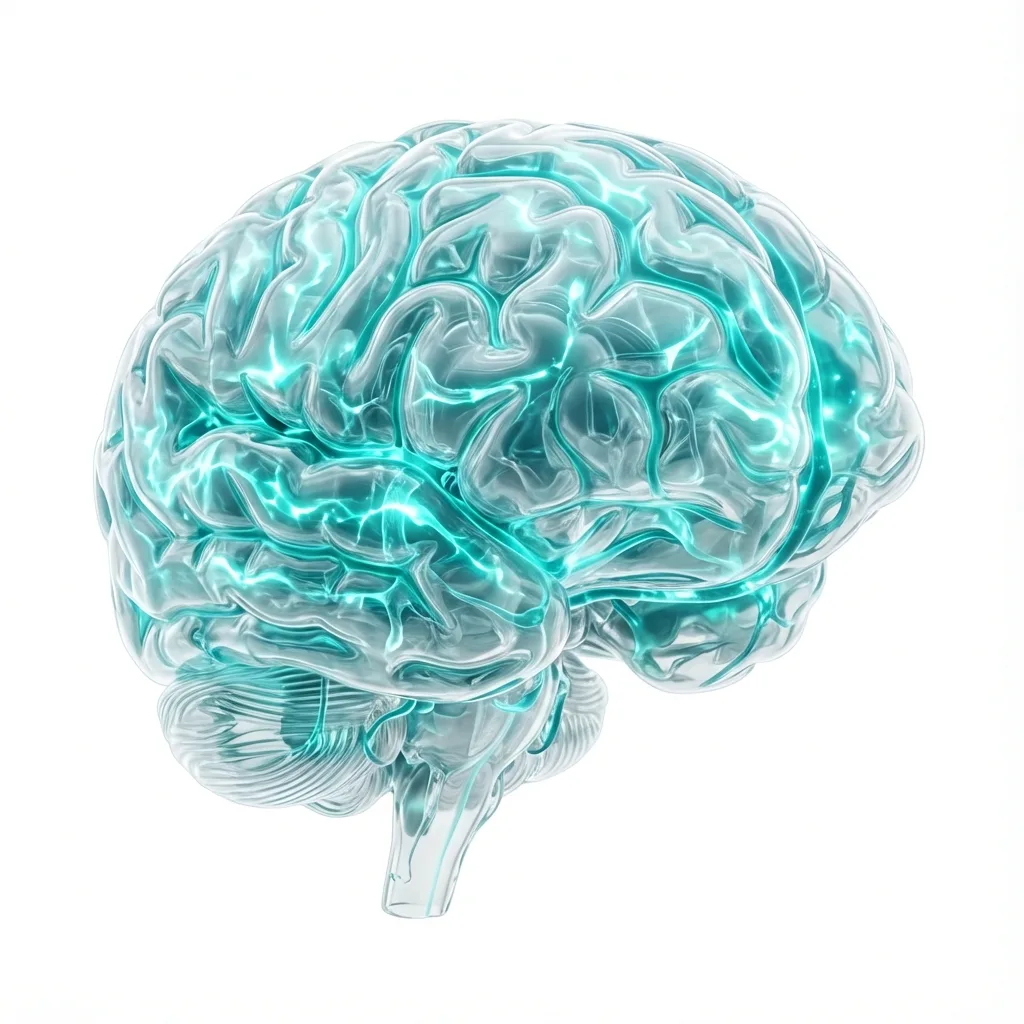
If you have sleep apnea, or if you drink alcohol before bed (which crushes REM sleep), the dishwasher never turns on. You wake up with a brain full of metabolic trash. That "fog" you feel at 9:00 AM is literal cellular waste clogging your neural networks.
2. The Inflammation Cascade (The Leaky Shield)
We used to think the brain was cut off from the immune system by the Blood-Brain Barrier (BBB). We now know that if you are inflamed in your body, you are inflamed in your brain.
When you eat highly processed foods or suffer from gut dysbiosis ("Leaky Gut"), you release inflammatory cytokines. These messengers cross the BBB and activate the brain's immune cells, called Microglia.
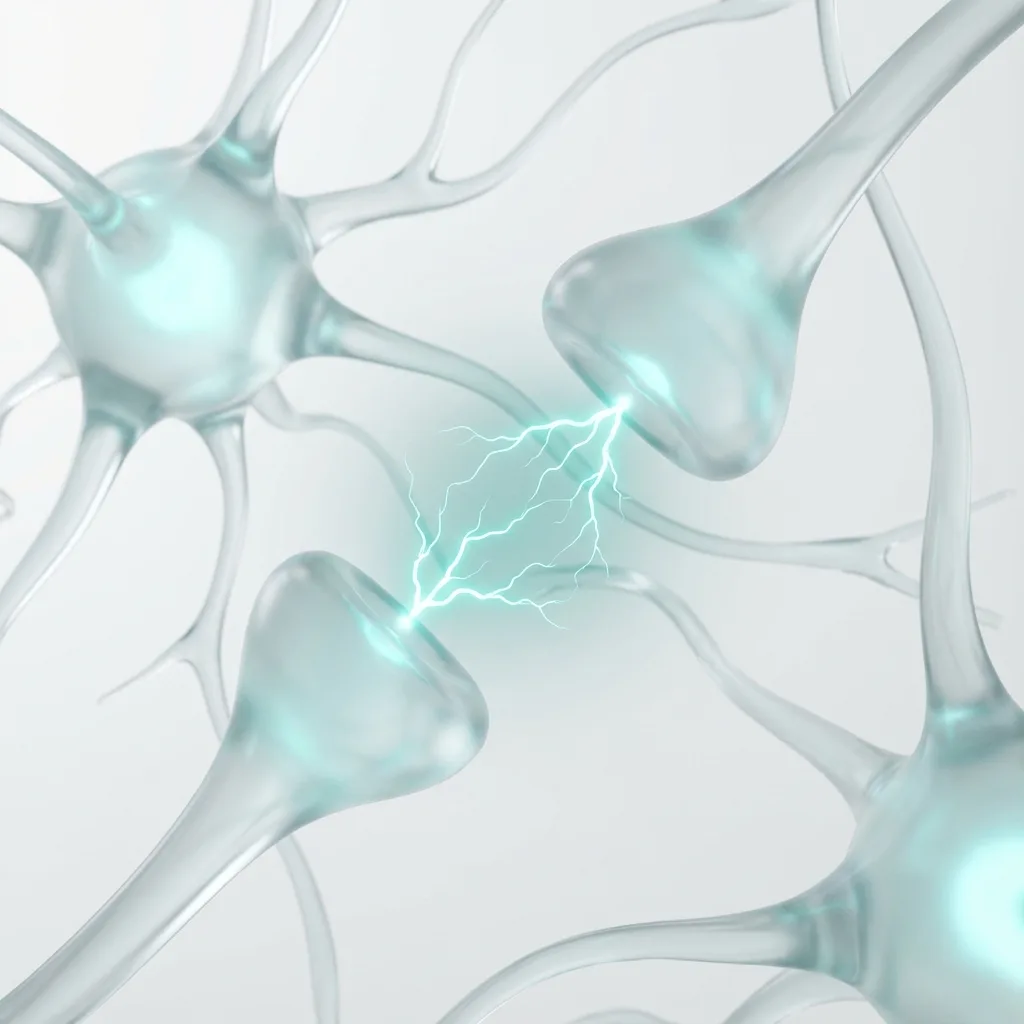
When Microglia are angry, they stop cleaning up neurons and start attacking them. This "neuro-inflammation" slows down conduction velocity. It literally slows the speed at which you think.
3. The Fuel Shortage (Nutrients)
Many individuals in demanding careers are unknowingly operating with sub-optimal fuel.
Vitamin D: As discussed in previous columns, Vitamin D receptors in the hippocampus and cortex are crucial for planning and processing. Low D is linked to slower cognitive processing speeds.
B-Vitamins: B12 and Folate are essential for methylation: the process that makes neurotransmitters. Without them, you can't build the chemicals you need to focus.
An Educational Framework
We do not treat brain fog with more caffeine. That is borrowing energy from tomorrow to pay for today. We treat it by reducing inflammation and restoring energy.
1. The "Brain-Wash" Protocol (Sleep)
You must prioritise the clearance of metabolic waste.
- Stop eating 3 hours before bed. Digestion competes with the glymphatic system.
- Zero alcohol on weeknights. Alcohol sedates you, but it paralyses the glymphatic cleaning process.
- Magnesium Threonate: This specific form of magnesium crosses the blood-brain barrier and has been shown to support synaptic density and sleep architecture.
2. Feed the Mitochondria
- Creatine Monohydrate (5g daily): Don't think of this as a muscle supplement. Think of it as a backup battery for your brain. It donates phosphate groups to recharge ATP (energy) in neurons during high cognitive demand.
- Omega-3 Fatty Acids (EPA/DHA): Your brain is 60% fat. High-dose fish oil (2g+) reduces neuro-inflammation.
3. Zone 2 Training
This is the "engine tuning." Steady-state cardio (where you can still hold a conversation) increases Brain-Derived Neurotrophic Factor (BDNF). BDNF is a primary growth factor for your brain, encourageing the growth of new neural connections.
The Clinical View
When professionals rely entirely on stress and caffeine to get through morning rounds or executive meetings, they are attempting to run a high-performance engine on low-grade fuel with a clogged exhaust. The inevitable result is systemic burnout.
Patients do not have to accept the fog as the "cost of doing business." Cognitive clarity is the biological baseline, and restoring it begins with repairing the metabolic foundation.
References & Further Reading:
- Xie, L., et al. (2013). "Sleep Drives Metabolite Clearance from the Adult Brain." Science. [The seminal paper on the Glymphatic System].
- Theoharides, T. C., et al. (2015). "Brain 'fog,' inflammation and obesity: key aspects of neuropsychiatric disorders." Frontiers in Neuroscience.
- Holick, M. F. (2007). "Vitamin D deficiency." NEJM.
Related Reading
Explore the Pillar Topic
This article belongs to our core medical pillar on Neurolongevity & Cognitive Optimisation. For a comprehensive, physician-guided deep dive into this topic, read the full foundational guide.
Clinical Addendum
This content is for educational and informational purposes only. It is not intended as medical advice and should not replace consultation with a qualified healthcare professional. Always consult your physician before starting any new supplement, diet, or exercise programme.