

By Dr. Gavin | EMPOWERVIDA
TL;DR
Muscle isn't just for movement; it's the "Organ of Longevity." It releases myokines that protect your brain and bones. Sarcopenia (muscle loss) leads to frailty and diabetes. Fix: Eat 30g of protein at breakfast (to trigger synthesis) and lift heavy things to combat anabolic resistance.
In medical school, we are taught that muscle is for movement. It lifts the arm; it bends the knee.
But in functional settings, There is a concerning trend. Many individuals in their 40s who have lost the "bounce" in their step. They are becoming biologically fragile. If they trip, they don't just stumble; they break.
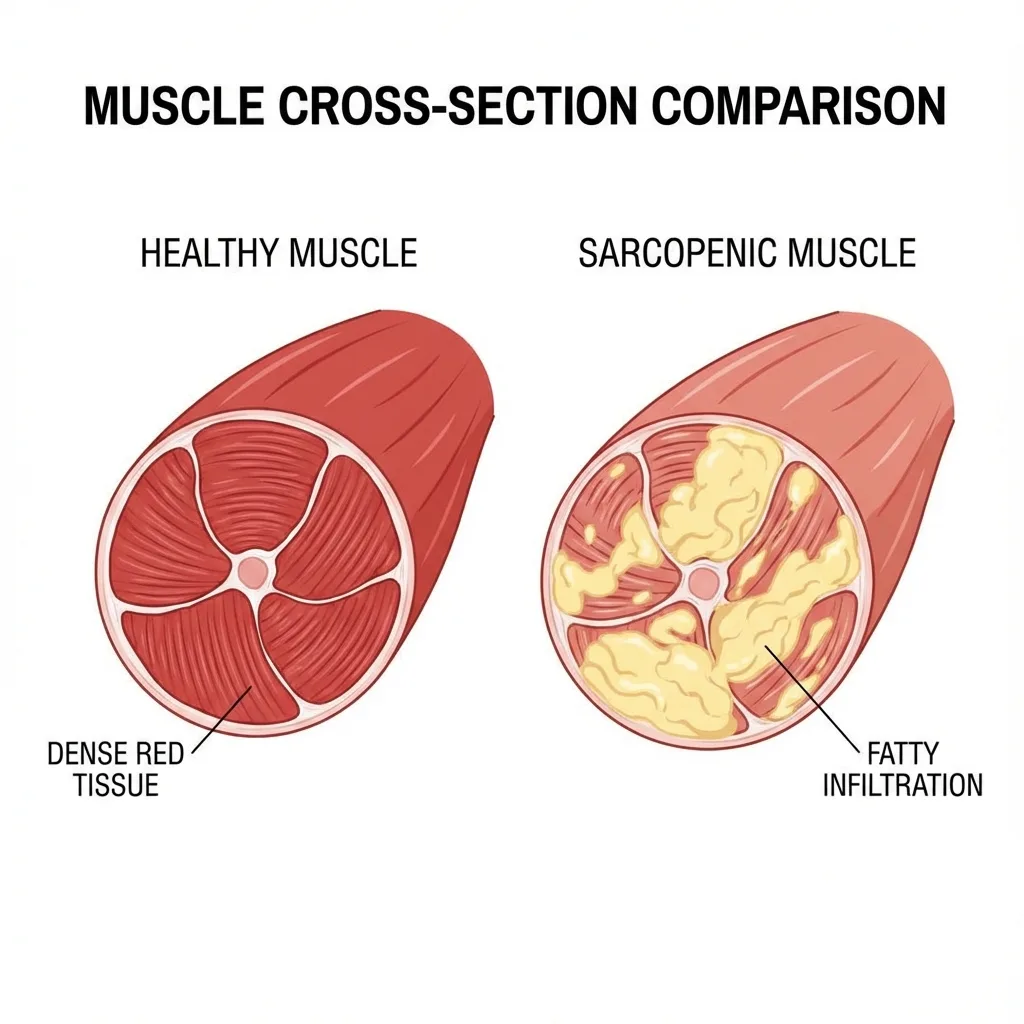
They think they are just "getting older." They are actually suffering from a silent disease called Sarcopenia (muscle poverty).
A primary clinical concern during rapid weight loss is the unintended loss of lean muscle mass. Significant caloric restriction without concurrent resistance training and adequate amino acid support can leave An individual lighter but physically weaker and more metabolically vulnerable. This is why targeted supplementation, such as creatine, is often utilized during these periods. Creatine buffers ATP in the muscle, protecting contractile tissue during caloric deficits and improving protein synthesis. Effective metabolic protocols must focus not just on fat reduction, but on preserving the structural integrity of the body.
The Clinical Reality: Muscle is not just for bodybuilders. Muscle is the Organ of Longevity.
If you have low muscle mass, you have low survivability. Period.
The Science: It's An Endocrine Organ
We used to think muscle was just meat. We now know it is an Endocrine Organ, just like your thyroid or pancreas.
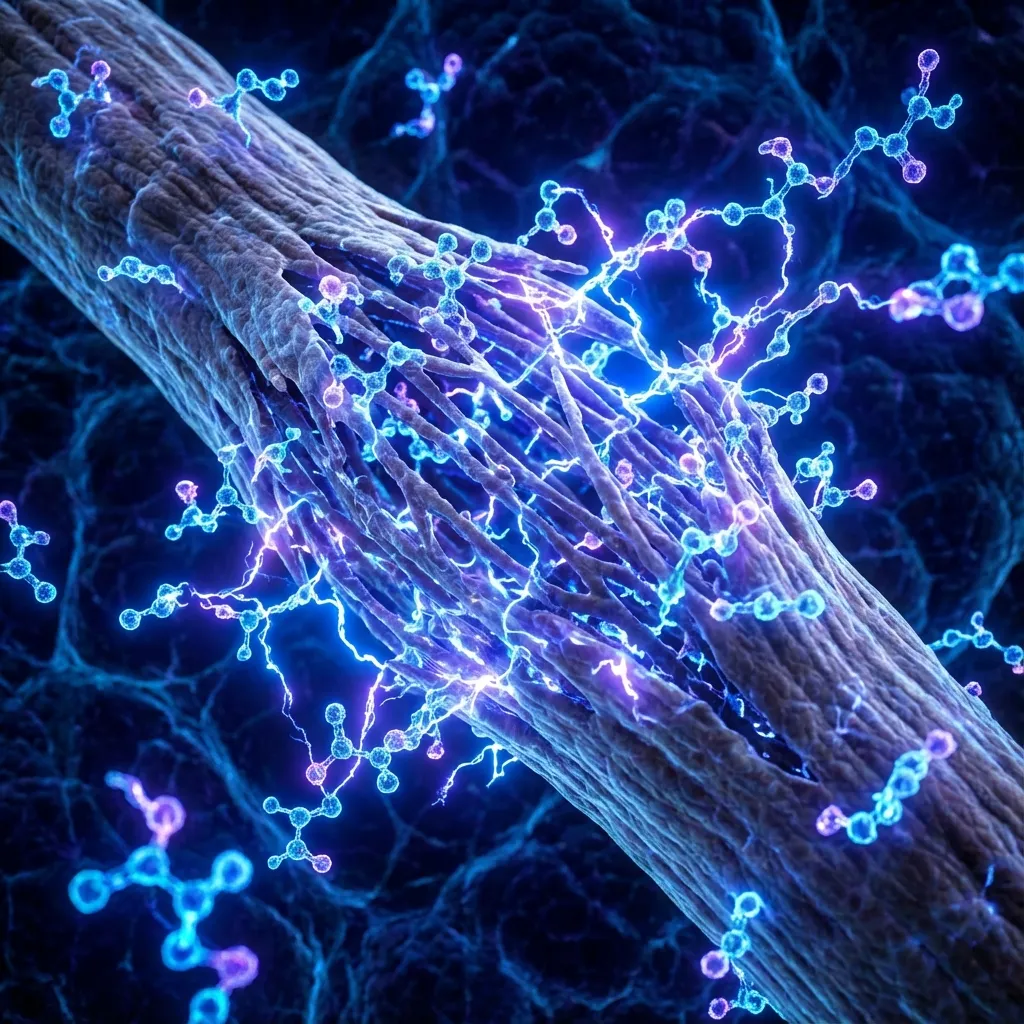
When you contract a muscle (lift something heavy), it releases chemical messengers called Myokines.
- Myokines travel to the brain to release BDNF (improving memory).
- Myokines travel to the liver to regulate blood sugar.
- Myokines travel to the bones to increase density.
When you lose muscle, you lose this medicine cabinet. You become inflamed, diabetic, and weak.
The "Anabolic Resistance" Problem
Here is the bad news: As you age, your body becomes Anabolic Resistant.
At age 20, eating one egg might trigger muscle repair.
At age 50, that same egg does nothing.
Your body becomes deaf to the signal of protein. To overcome this resistance and stop the frailty, you need a much louder signal. You need more high-quality protein than you think.
The Protocol: The 30g Trigger
You cannot graze on salad and crackers and expect to stay robust. To trigger Muscle Protein Synthesis (MPS)—the process of rebuilding tissue. You need to hit a specific threshold.
The Magic Number: You need roughly 30 grams of high-quality protein in a single sitting to flip the switch.
Breakfast: Most people eat toast (5g protein). Result: Muscle wastes away.
The Fix: You must start your day with a high-protein bolus.
But let's be honest, eating 5 eggs or a chicken breast at 7:00 AM is hard. This is where supplementation becomes a medical necessity, not a gym convenience.
The Physician's Observation
Clinical Observation
The most sobering statistic in musculoskeletal health is this: after the age of 30, individuals lose approximately 3-8% of their muscle mass per decade without intervention. By 60, this compounds into a 20-30% loss. In clinical practice, fall-related fractures in older adults are frequently exacerbated not just by low bone density, but by a profound lack of skeletal muscle to absorb the mechanical impact. This is often driven by decades of inadequate protein intake (e.g., eating toast for breakfast and a salad for lunch, totalling under 40g of daily protein) and an absence of resistance training. However, when older adults implement resistance training three times per week and increase protein intake to 1.6g per kilogram of body weight, it is common to observe rapid and significant improvements in grip strength and balance. Sarcopenia is not an inevitable consequence of aging; it is a progressive condition that responds robustly to physiological loading and amino acid repletion.
What most people miss is that muscle loss does not just make you weak. It makes you metabolically sick. Muscle is your largest glucose sink. When it shrinks, blood sugar has nowhere to go. This is one of the hidden drivers of the insulin resistance epidemic I discuss in my article on why you are ageing faster than your friends. The two problems, glycation and sarcopenia, feed each other in a vicious cycle. Break the cycle by building muscle.
An Educational Framework
- Eat: 30g+ protein at every meal. Prioritise breakfast. Use Whey Protein Isolate if whole food is impractical. Target 1.6g protein per kg of bodyweight daily.
- Lift: Resistance train 3x per week. Focus on compound movements (squats, deadlifts, rows, presses). Progressive overload is the signal that tells your body to stop wasting muscle.
- Supplement: Add 5g Creatine Monohydrate daily to support ATP recycling in muscle. Consider Vitamin D3 (4,000 IU) as deficiency accelerates sarcopenia.
THE TAKEAWAY
Frailty is not inevitable. It is a choice. Every time you lift something heavy and eat enough protein to repair it, you are making a deposit into your "Retirement Fund." Don't go bankrupt before you hit 60.
TOOL: The Purest Fuel (Whey Isolate)
To hit that 30g threshold easily, Educational frameworks often suggest Whey Protein Isolate. It is the most bioavailable protein source on earth, absorbing rapidly to overcome anabolic resistance.
Note: If you are vegan, look for a fermented Pea/Rice blend, but you will need a higher dose.
Explore the Pillar Topic
This article belongs to our core medical pillar on The Longevity Master Guide. For a comprehensive, physician-guided deep dive into this topic, read the full foundational guide.
Clinical Addendum
This content is for educational and informational purposes only. It is not intended as medical advice and should not replace consultation with a qualified healthcare professional. Always consult your physician before starting any new supplement, diet, or exercise programme.
SCIENTIFIC REFERENCES
- Wolfe, R. R. (2006). "The underappreciated role of muscle in health and disease." The American Journal of Clinical Nutrition.
- Pedersen, B. K. (2011). "Muscles and their myokines." Journal of Experimental Biology.
- Moore, D. R., et al. (2015). "Protein ingestion to stimulate myofibrillar protein synthesis requires greater relative protein intakes in healthy older versus younger men." The Journals of Gerontology.